Whole Melt Extracts Takeout Edition
Product Overview
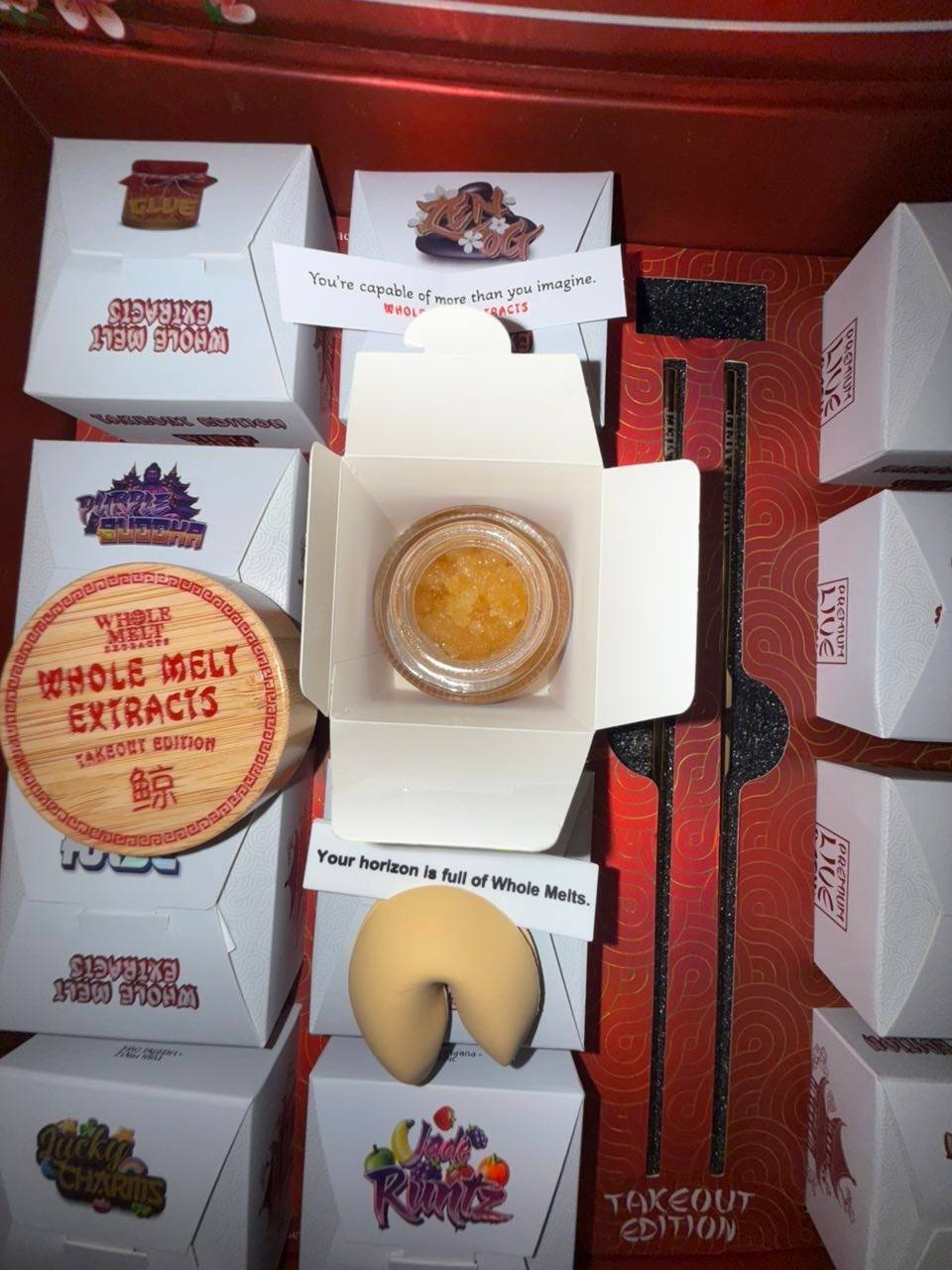
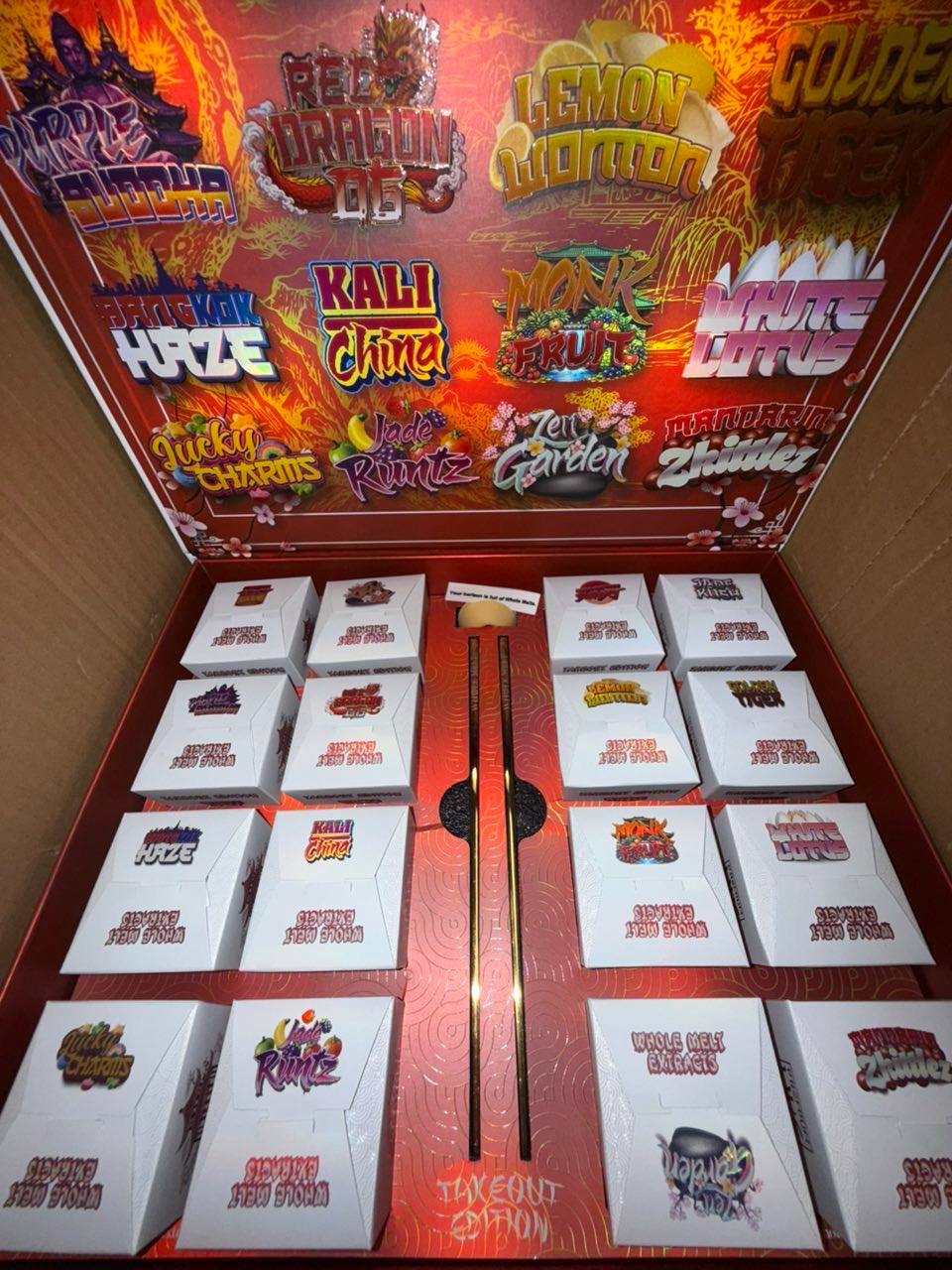
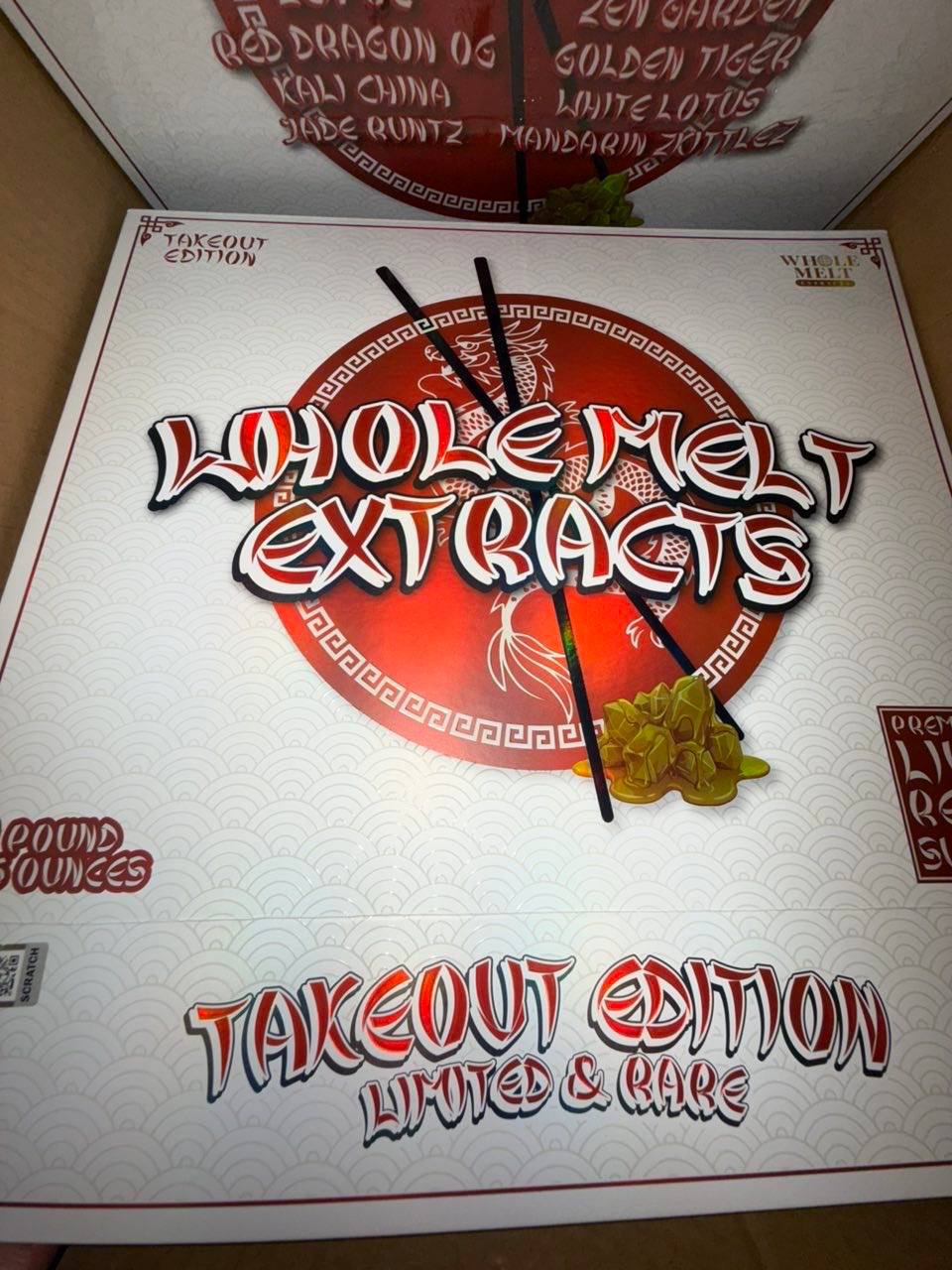
Whole Melt Extracts Takeout Edition is presented as a cannabis concentrate product with a presentation inspired by the familiar look and feel of takeout packaging. The edition combines a distinctive visual concept with the concentrate-focused identity associated with the Whole Melt Extracts name.
Because concentrate products can vary considerably by batch, source, formulation, and market, the exact characteristics of a particular unit should be confirmed through its packaging and available laboratory information. Potency, cannabinoid content, terpene composition, ingredients, and production details should not be assumed from the product name alone.
The Takeout Edition stands out primarily through its themed presentation. Rather than relying only on a conventional concentrate package, the edition uses a recognizable concept that gives the product a different visual identity. Meanwhile, the actual contents remain the most important consideration when evaluating a specific package.
Takeout Edition Presentation
Packaging plays an important role in how limited or themed cannabis products are presented. The Takeout Edition uses a concept that draws attention to the familiar appearance of restaurant-style takeout packaging. As a result, the product has a recognizable theme that separates it visually from more traditional concentrate presentations.
The design may appeal to collectors of themed packaging or consumers who appreciate unusual product concepts. However, appearance does not establish the quality, potency, authenticity, or safety of the contents. Those factors should instead be evaluated through verifiable product information.
Furthermore, packaging details can change between production runs. Labels, artwork, container styles, and other visual elements may therefore differ from one package to another. For that reason, the physical package in hand remains the most reliable reference for identifying the exact version.
Concentrate Characteristics
Cannabis concentrates are generally distinguished from traditional flower by their concentrated cannabinoid and terpene content. Their texture, color, aroma, and consistency can vary depending on the extraction method, starting material, storage conditions, and formulation.
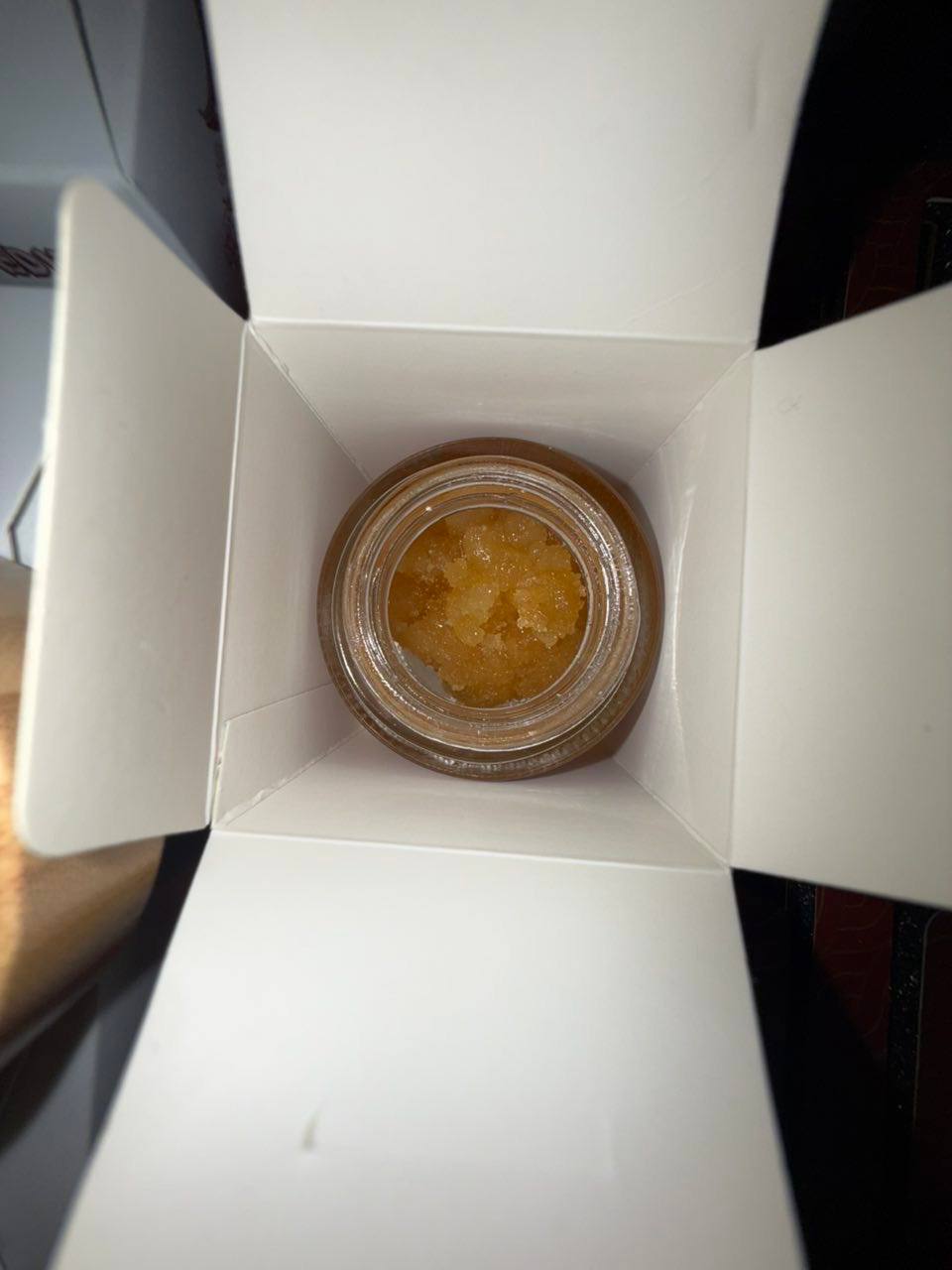
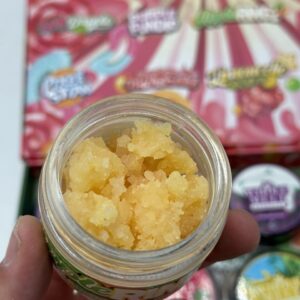
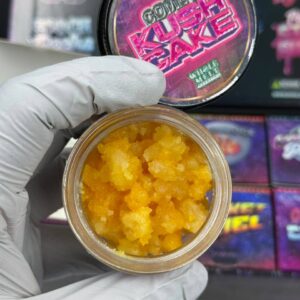
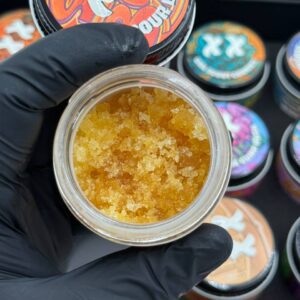
The appearance of a concentrate can range from light to dark tones, while consistency may range from soft and creamy to more solid or crystalline textures. These characteristics alone, however, do not provide a reliable measurement of potency or purity.
Similarly, aroma can provide information about the terpene profile, but scent should not be treated as laboratory confirmation. A strong aroma does not automatically indicate higher potency, and a subtle aroma does not necessarily indicate lower quality.
Therefore, laboratory testing remains the more dependable source for cannabinoid and contaminant information when such testing is available.
Cannabinoid Information
The cannabinoid profile of a concentrate is one of its most important characteristics. Depending on the specific formulation, cannabis concentrates may contain cannabinoids such as THC, CBD, CBG, or smaller quantities of other naturally occurring compounds.
The exact concentration should be taken from the product label or verified laboratory report rather than estimated from the brand name or package design.
THC is associated with the intoxicating effects commonly linked with cannabis. Consequently, products containing significant amounts of THC can affect perception, coordination, attention, memory, and reaction time.
The intensity and duration of effects can also differ between individuals. Factors such as tolerance, previous cannabis exposure, body chemistry, consumption method, and the concentration of active cannabinoids can all influence the experience.
Because of these differences, a product description should not promise a particular effect. Instead, objective information allows consumers to understand what the package contains without creating unrealistic expectations.
Terpenes and Aroma
Terpenes are naturally occurring aromatic compounds found in cannabis and many other plants. They contribute to the scent and flavor characteristics associated with different cannabis products.
Common cannabis-associated terpenes include myrcene, limonene, pinene, caryophyllene, and linalool. However, the presence and concentration of these compounds differ between products and batches.
A particular Takeout Edition package should therefore be evaluated according to its own label or laboratory documentation. General descriptions of cannabis aromas should not be treated as confirmation of a specific terpene profile.
For example, citrus-like aromas are often associated with limonene, while pine-like notes can occur with pinene. Caryophyllene is commonly associated with spicy or peppery characteristics. Nevertheless, these descriptions are general and should not replace product-specific testing.
Texture and Appearance
Concentrate texture can provide a basic visual description, although it cannot independently verify quality.
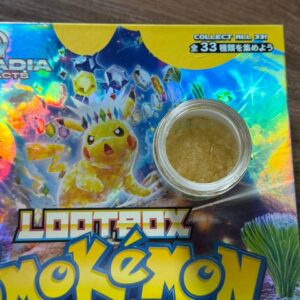
Some concentrates have a smooth consistency, while others may appear thicker, grainier, crystalline, or semi-solid. Temperature can also influence texture. A concentrate that appears different after storage may not necessarily represent a change in its underlying composition.
Color can vary as well. Depending on the material and processing method, concentrates may appear pale gold, amber, tan, brown, or darker. Light exposure, oxidation, temperature, and storage conditions may contribute to changes in appearance over time.
Even so, visual inspection has limits. Contamination, potency, and cannabinoid concentration cannot be reliably established simply by looking at a concentrate.
Laboratory Testing
Laboratory testing provides a more reliable way to evaluate cannabis products. A valid certificate of analysis can provide information about cannabinoid concentrations and, depending on the testing requirements, contaminants or other quality indicators.
Testing may include measurements for THC, THCA, CBD, CBDA, CBG, and other cannabinoids. Some laboratories also evaluate residual solvents, pesticides, heavy metals, microbial contamination, and other potential concerns.
The exact testing requirements vary by jurisdiction. Therefore, a laboratory report should be interpreted according to the regulations that apply where the product was manufactured and sold.
A product label that provides a batch number can also make it easier to connect the physical package with a corresponding laboratory report. When available, that connection provides more useful information than marketing claims.
Storage Considerations
Concentrates can be affected by temperature, light, air, and time. Appropriate storage helps preserve the physical characteristics of the product.
Excessive heat can alter texture and may contribute to changes in cannabinoids or aromatic compounds. Strong light can also affect cannabis constituents over time. Meanwhile, exposure to air may contribute to oxidation.
For these reasons, storage information supplied by the manufacturer should be followed. The product should also remain in its original labeled container where appropriate.
Cannabis products should be kept away from children, pets, and anyone who should not have access to them. In addition, products should remain clearly identifiable so they are not confused with ordinary food or other household items.
Responsible Handling
Cannabis concentrates can contain substantially higher cannabinoid concentrations than traditional cannabis flower. Consequently, they require careful handling.
A person who is inexperienced with cannabis concentrates may find their effects stronger or less predictable than expected. Individual responses can vary, and previous experience with lower-potency cannabis products does not necessarily predict a response to a concentrated product.
Cannabis can also impair coordination, attention, and judgment. Therefore, operating a vehicle or machinery after using an intoxicating cannabis product can create serious safety risks.
Mixing cannabis with alcohol or other intoxicating substances may further affect impairment. Anyone considering cannabis should understand the applicable health and legal guidance in their location.
Legal and Age Considerations
Cannabis laws differ significantly between countries, states, provinces, and municipalities. A product that is legally available in one jurisdiction may be restricted or prohibited elsewhere.
Age requirements also vary. Consumers should verify the laws that apply to their location before purchasing, possessing, transporting, or using a cannabis product.
Transportation can create additional legal issues, particularly when crossing regional or national borders. Cannabis regulations do not necessarily apply uniformly between neighboring jurisdictions.
Accordingly, legal status should be confirmed through current official government information rather than assumed from online listings or packaging.
Authenticity and Packaging Details
Themed packaging can make a product visually distinctive. However, recognizable artwork does not by itself establish authenticity.
When evaluating a branded concentrate, several details can be considered together. Consistent labeling, appropriate regulatory information, batch identification, laboratory documentation, and legitimate distribution channels provide stronger evidence than appearance alone.
Packaging that contains unusual spelling, missing regulatory information, inconsistent labeling, or unverifiable testing claims may warrant additional scrutiny.
Furthermore, legitimate products can change packaging over time. A difference between two packages does not automatically mean that one is counterfeit. Production dates and regional packaging requirements can account for some differences.
Product Experience and Individual Differences
Cannabis affects people differently. One person may experience noticeable intoxication from a particular concentration, while another person may respond differently because of tolerance, metabolism, previous exposure, or other individual factors.
Effects can also depend on the cannabinoid and terpene profile. However, scientific understanding of how individual cannabis compounds interact remains an evolving area of research.
For that reason, responsible product information should avoid guaranteeing a specific mood, sensation, duration, or outcome.
Descriptions such as “relaxing,” “energizing,” or “uplifting” are sometimes used in cannabis marketing, but these terms should not be interpreted as universal effects. Personal experiences can differ considerably.
Why Product-Specific Information Matters
A product name identifies an edition, but it does not necessarily reveal everything contained in a particular package. Batch-level information is more useful when determining potency and composition.
For example, two packages carrying the same edition name could have different production dates or laboratory results. Therefore, the label and corresponding testing documentation should remain the primary sources for exact specifications.
This approach also makes product information easier to verify. Rather than relying on assumptions based on branding, consumers can examine measurable information connected to the individual package.
Packaging as Part of the Product Identity
The Takeout Edition concept gives the product a distinctive identity through its visual presentation. The takeout-inspired theme separates it from conventional packaging and creates a recognizable appearance.
At the same time, packaging remains secondary to the contents themselves. A visually interesting package cannot establish cannabinoid concentration, purity, or safety.
That distinction is important because modern cannabis packaging can be highly creative. Consequently, visual presentation should be appreciated as a design element rather than treated as technical evidence.
Quality Assessment
Quality assessment involves more than appearance. A complete evaluation can include laboratory results, labeling accuracy, packaging condition, manufacturing information, and storage history.
A concentrate that has been stored improperly may show changes in color or texture. Likewise, a package without adequate identification may make it difficult to confirm the product’s origin or laboratory results.
Therefore, objective documentation is particularly valuable.
When laboratory information is available, cannabinoid percentages and contaminant testing can provide measurable details. When that information is unavailable, the product should not be assumed to have a particular potency or purity level.
General Product Details
The following details summarize the type of information commonly associated with the Takeout Edition concept:
Brand: Whole Melt Extracts
Edition: Takeout Edition
Category: Cannabis concentrate
Presentation: Takeout-inspired themed packaging
Cannabinoid profile: Batch-dependent
Terpene profile: Batch-dependent
Potency: Confirm package labeling or laboratory results
Ingredients: Confirm the individual package
Testing: Confirm the available certificate of analysis
Legal status: Dependent on local regulations
These specifications should be treated as general identification information rather than a substitute for the exact label on a particular unit.
A Closer Look at the Takeout Theme
The takeout concept gives this edition a casual and recognizable visual direction. It draws from packaging that is already familiar in everyday life, creating an unusual contrast with the concentrate category.
This type of themed presentation can make an edition easier to distinguish from other products in the same brand family. Moreover, distinctive packaging can contribute to the identity of a limited or special edition.
Still, the design should not be confused with an indication of potency or product performance. The actual contents remain subject to the same considerations as any other cannabis concentrate.
Information for Consumers
Clear product information helps consumers make informed decisions. A package should ideally provide enough information to identify its contents, potency, production details, and applicable warnings.
In addition, current legal requirements should be considered. Cannabis products can be subject to strict rules regarding labeling, packaging, advertising, and distribution.
The most dependable approach is therefore based on verifiable documentation. Manufacturer information, laboratory results, and official regulatory guidance can provide a stronger foundation than informal product claims.
Whole Melt Extracts Takeout Edition is a themed cannabis concentrate presented around a takeout-inspired packaging concept. Its distinctive presentation gives the edition a recognizable identity, while the actual characteristics of each package depend on its specific batch and formulation.
Cannabinoid concentration, terpene composition, texture, aroma, color, and testing results should be confirmed through the individual product label and available laboratory documentation. Likewise, authenticity should be evaluated using verifiable information rather than packaging appearance alone.
Because cannabis concentrates can contain high levels of cannabinoids, responsible handling and awareness of impairment are important. Legal requirements also vary by location, so applicable regulations should always be checked before purchase, possession, transportation, or use.
Ultimately, the most useful description of any individual Takeout Edition package comes from its own verified specifications. The themed packaging may provide the visual distinction, but laboratory data and accurate labeling provide the meaningful product information.
Whole Melt Extracts Takeout Edition — Continued
Understanding Concentrate Composition
Cannabis concentrates are created by separating selected compounds from cannabis plant material. The resulting material can contain a much higher concentration of cannabinoids than untreated flower, depending on the extraction process and starting material.
The composition of a concentrate can include cannabinoids, terpenes, lipids, and other naturally occurring plant compounds. The precise balance depends on the source material and manufacturing process.
For the Takeout Edition, exact composition should be determined from the individual package. Online descriptions may provide general identification information, but they cannot replace batch-specific laboratory documentation.
This distinction becomes especially important when products are sold under the same edition name across different production periods. Although the branding may remain consistent, laboratory results can differ between batches.
Extraction and Processing
Different extraction techniques can produce concentrates with noticeably different characteristics. Processing can influence color, texture, aroma, cannabinoid concentration, and terpene retention.
Some extraction methods use solvents, while others rely on mechanical or solventless processes. Each approach has its own characteristics and quality considerations.
The presence of a particular texture or appearance does not, by itself, identify the extraction method. Consequently, the manufacturer’s documentation remains the better source for determining how a specific product was produced.
Residual solvent testing can also be relevant when solvent-based extraction has been used. Where applicable, laboratory reports can provide additional information about whether the finished product meets the required testing standards.
Cannabinoid Concentration
Cannabinoid concentration is usually expressed as a percentage or as a quantity per unit of product. THC and THCA are among the measurements commonly listed on cannabis laboratory reports.
THCA is a non-intoxicating acidic cannabinoid that can convert into THC under certain conditions. THC, meanwhile, is the cannabinoid most closely associated with cannabis intoxication.
The relationship between these measurements can make laboratory reports appear more complicated than a simple THC percentage. Therefore, the complete certificate of analysis should be considered when interpreting cannabinoid information.
A package’s printed potency information should also be checked against applicable regulatory requirements. If the label and laboratory report do not correspond, additional verification may be appropriate.
Terpene Profile
Terpenes contribute significantly to the aromatic character of cannabis. They can produce notes that are described as citrusy, herbal, earthy, floral, pine-like, fruity, or spicy.
The terpene profile of the Takeout Edition should not be assumed from the edition name. Instead, a laboratory report or manufacturer documentation can provide more reliable information about the compounds present in a particular batch.
Terpene levels can also change over time. Exposure to heat, oxygen, and light may affect aromatic compounds during storage.
As a result, the aroma of an older package may not perfectly match the aroma associated with freshly produced material from the same product line.
Appearance and Color Changes
Concentrates can naturally change in appearance as they are stored. Temperature fluctuations may alter consistency, while exposure to oxygen and light can contribute to gradual changes in color.
A lighter concentrate may become darker over time, although color alone cannot establish whether a product remains suitable for use. Similarly, a change in consistency does not automatically identify a problem.
Unexpected changes should be evaluated alongside packaging condition, expiration or production information where provided, storage history, and applicable manufacturer guidance.
Visual inspection remains useful for identifying obvious packaging concerns, but laboratory testing is still more appropriate for evaluating composition.
Packaging Information
A properly labeled cannabis product generally provides information intended to identify its contents and regulatory status. Depending on the jurisdiction, packaging may include warnings, potency information, net weight, batch identification, manufacturing information, and testing details.
The exact requirements differ by location. Consequently, packaging that appears acceptable in one jurisdiction may not satisfy the requirements of another.
For that reason, the physical package should be treated as the primary reference for exact product information.
Batch-to-Batch Variation
Natural cannabis products can exhibit variation between batches. Differences may occur in cannabinoid concentrations, terpene percentages, color, texture, and aroma.
This variation does not necessarily indicate that one batch is authentic while another is not. Agricultural conditions, starting material, processing variables, and storage can all contribute to differences.
Batch-specific laboratory testing can help explain these variations. A certificate of analysis associated with the relevant batch provides more useful information than a generic product page.
Authenticity Considerations
Branded cannabis products can sometimes be copied or reproduced without authorization. Consequently, authenticity should not be judged solely by graphics, logos, or package style.
Several pieces of information can be considered together when evaluating authenticity. These may include:
- Batch or lot identification
- Manufacturer information
- Regulatory labeling
- Laboratory documentation
- Packaging consistency
- Production information
- Verification features where applicable
No single visual characteristic should be treated as conclusive evidence.
Furthermore, packaging designs can change between regions and production periods. Older and newer versions may therefore look different while representing legitimate versions of the same product family.
Laboratory Reports and Certificates of Analysis
A certificate of analysis, often abbreviated as COA, can provide useful information about a cannabis product’s measured composition.
Depending on the laboratory and applicable regulations, a report may include cannabinoid percentages and testing for contaminants. Some reports also provide terpene information.
When reviewing a COA, the batch number should correspond with the package whenever possible. The product name and testing date can also help establish whether the report relates to the particular unit being evaluated.
A generic report from an unrelated batch does not necessarily describe the contents of another package. Batch matching therefore remains an important consideration.
Storage Environment
Temperature is one of the factors that can influence concentrate consistency. Warmer conditions may soften some concentrates, while cooler conditions can make them firmer.
Light exposure is another consideration. Prolonged exposure to strong light can affect cannabis compounds over time.
Air exposure may also contribute to oxidation. For this reason, appropriate storage conditions can help maintain the characteristics of the product.
The manufacturer’s storage guidance should take precedence whenever it is available. Local regulations may also specify requirements for cannabis storage and packaging.
Safe Storage
Cannabis concentrates should be stored securely and separately from ordinary household products. This is particularly important in environments where children or pets may have access to storage areas.
The original labeled packaging can help preserve product identification. It can also reduce the chance that a concentrate is mistaken for another substance.
Clear labeling becomes especially useful when several cannabis products are stored in the same location. Different cannabinoid concentrations can create very different effects, so product identification should remain clear.
Effects and Individual Response
The effects associated with cannabis depend on numerous variables. Cannabinoid concentration is one factor, but individual tolerance, metabolism, previous exposure, and other circumstances can also influence the response.
Two people can therefore experience the same product differently. One person may experience pronounced intoxication, while another may report a different response.
Because of this variability, responsible product information avoids guaranteeing a specific emotional or physical outcome.
Cannabis containing significant THC can impair attention, coordination, reaction time, and judgment. These effects can make activities such as driving particularly hazardous.
Interaction With Other Substances
Cannabis may interact with alcohol and other substances that affect the central nervous system. Combining intoxicating substances can increase impairment and make individual responses harder to predict.
Prescription medications may also interact with cannabis in ways that depend on the specific medication and individual circumstances.
Anyone using medication or managing a health condition should seek advice from an appropriate healthcare professional before using cannabis products.
Product descriptions should not be treated as medical guidance or as a substitute for professional advice.
Legal Compliance
Cannabis regulations continue to differ across jurisdictions. Rules can cover possession, purchase, age requirements, product potency, packaging, labeling, transportation, and permitted sales channels.
A product’s availability online does not necessarily establish that it can legally be purchased or transported in every location.
International transportation can involve additional restrictions. Cannabis laws can differ substantially between countries, even when products are widely available in both locations.
Checking current official regulations remains the most reliable way to determine legal status.
Product Documentation
Good product documentation allows important information to be verified. A complete record may include the package label, batch number, laboratory report, manufacturing information, and purchase documentation where applicable.
These details can be especially useful when comparing different batches or investigating differences in appearance.
Documentation also provides a clearer distinction between confirmed product information and generalized claims found on third-party websites.
The Role of Branding
Brand identity can influence how consumers recognize products within a crowded market. Whole Melt Extracts uses different concepts and editions to distinguish product presentations.
The Takeout Edition adds a themed visual direction to that identity. Its packaging concept can make it immediately recognizable compared with more conventional concentrate packaging.
Nevertheless, branding does not establish cannabinoid potency or laboratory quality. Those characteristics remain dependent on the individual product.
Product Information Versus Marketing Claims
Marketing language can sometimes describe products using broad terms such as premium, potent, flavorful, pure, or smooth. These descriptions are not necessarily measurable characteristics.
Laboratory results provide more objective information. For example, a laboratory report can quantify specific cannabinoids or identify whether particular contaminants were detected within the tested sample.
This difference matters when evaluating cannabis products. Descriptive language can communicate a brand concept, while laboratory data can provide measurable evidence.
Consumer Awareness
Understanding the difference between verified information and promotional language helps create a clearer picture of a cannabis product.
The Takeout Edition can be identified through its branding and packaging, but exact potency and composition should be determined from the relevant label and laboratory documentation.
Consumers can also consider the legal requirements applicable to their location. Age restrictions, possession limits, and product regulations may vary considerably.
Responsible awareness therefore involves more than recognizing the product name. It includes understanding what is documented about the specific package and how local laws apply.
Overall Product Profile
From a descriptive perspective, the Takeout Edition combines a themed presentation with a cannabis concentrate format. The packaging concept provides the most immediately recognizable feature, while cannabinoid and terpene characteristics depend on the specific batch.
The product can therefore be described accurately without making unsupported claims about potency, effects, or quality.
A complete product profile should ideally include:
Product family: Whole Melt Extracts
Edition: Takeout Edition
Product category: Cannabis concentrate
Visual concept: Takeout-inspired presentation
Cannabinoids: Confirm through package and laboratory documentation
Terpenes: Confirm through batch-specific testing
Net quantity: Confirm the individual package
Potency: Confirm the individual package
Testing information: Confirm available COA
Storage requirements: Follow manufacturer and local requirements
Legal requirements: Dependent on jurisdiction
Final Perspective
Whole Melt Extracts Takeout Edition is best understood through two separate elements: its distinctive themed presentation and the measurable characteristics of the concentrate inside the package.
The takeout-inspired concept gives the edition a recognizable identity. Meanwhile, laboratory documentation provides the more meaningful information about cannabinoid concentration, terpene content, and applicable testing.
Because cannabis concentrates can differ between batches, exact product claims should always be connected to the specific package being evaluated. Packaging, laboratory documentation, and applicable regulations together provide a more reliable basis for understanding the product.
Ultimately, clear information is more useful than exaggerated claims. The Takeout Edition’s visual identity can distinguish it within the product line, while verified batch information provides the details needed for an accurate and responsible product description.
Reviews
There are no reviews yet.