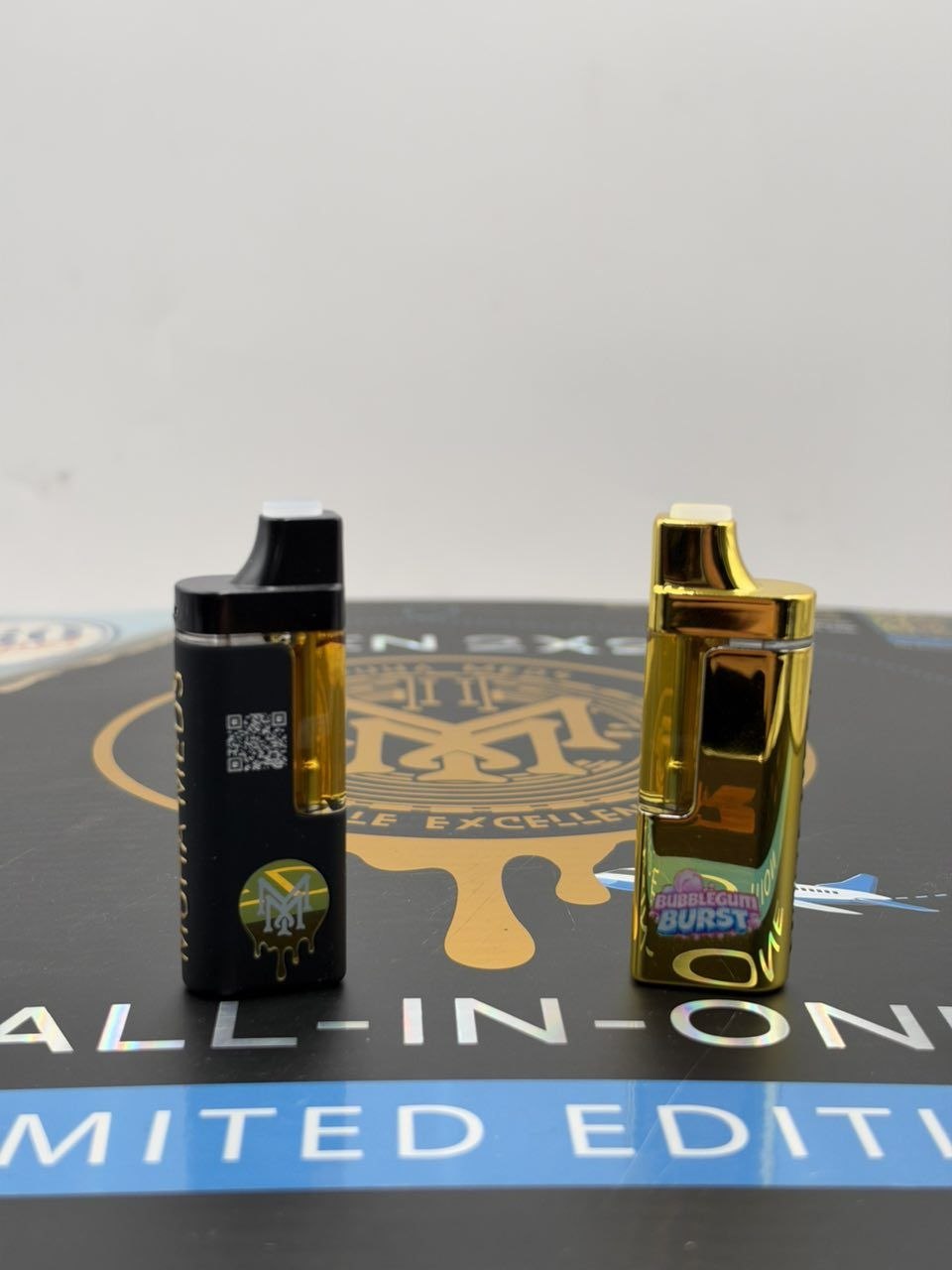
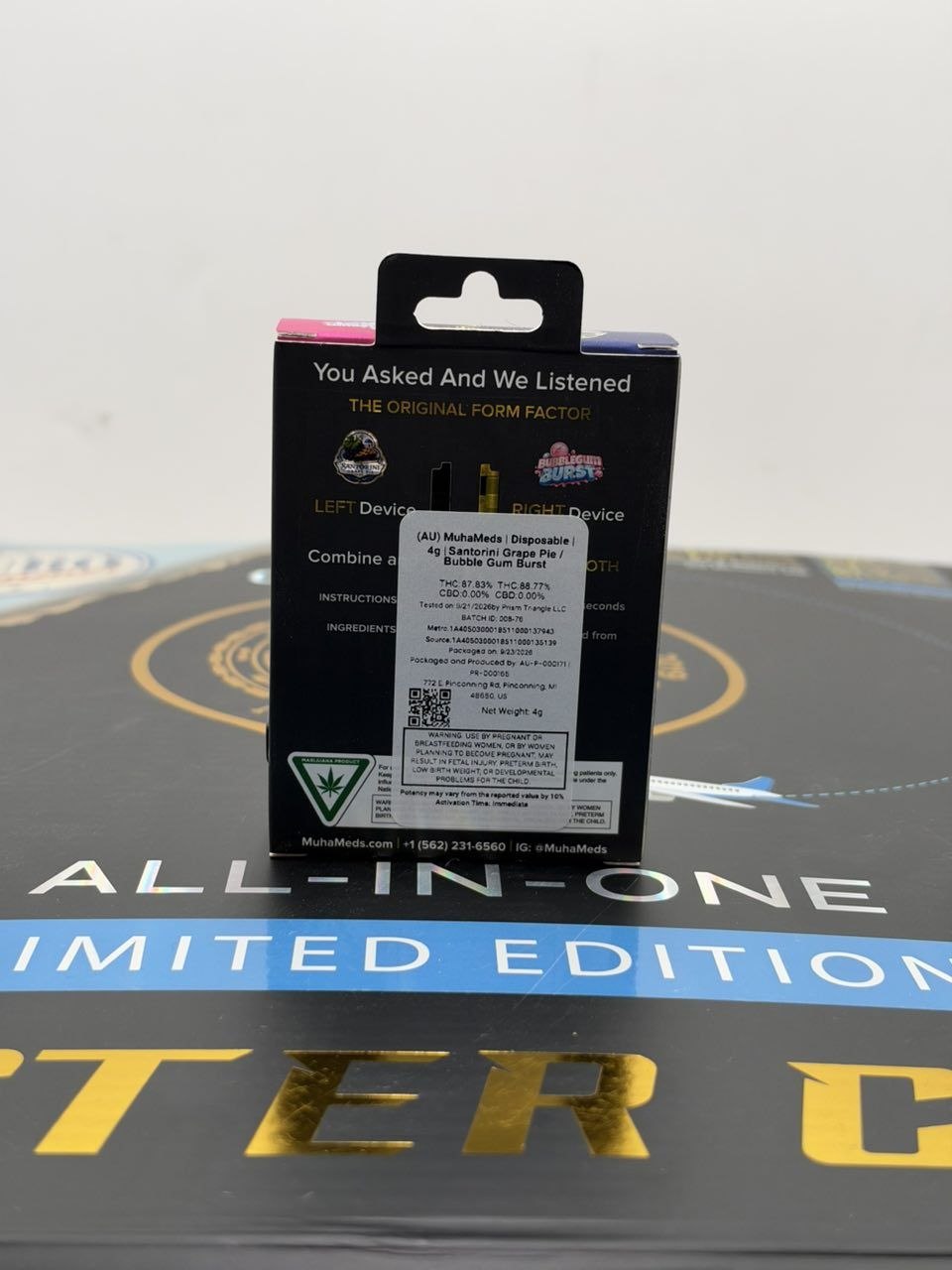
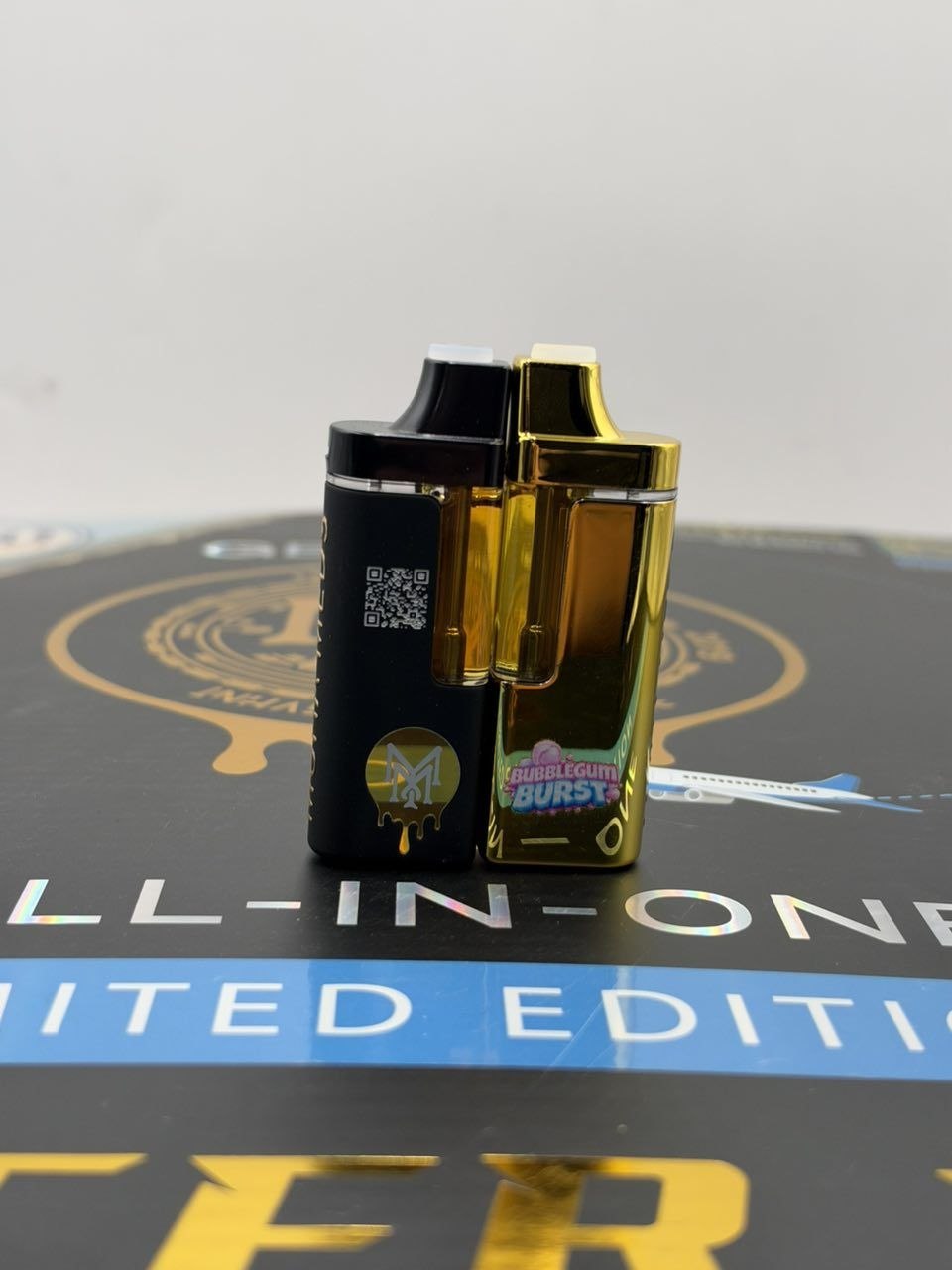
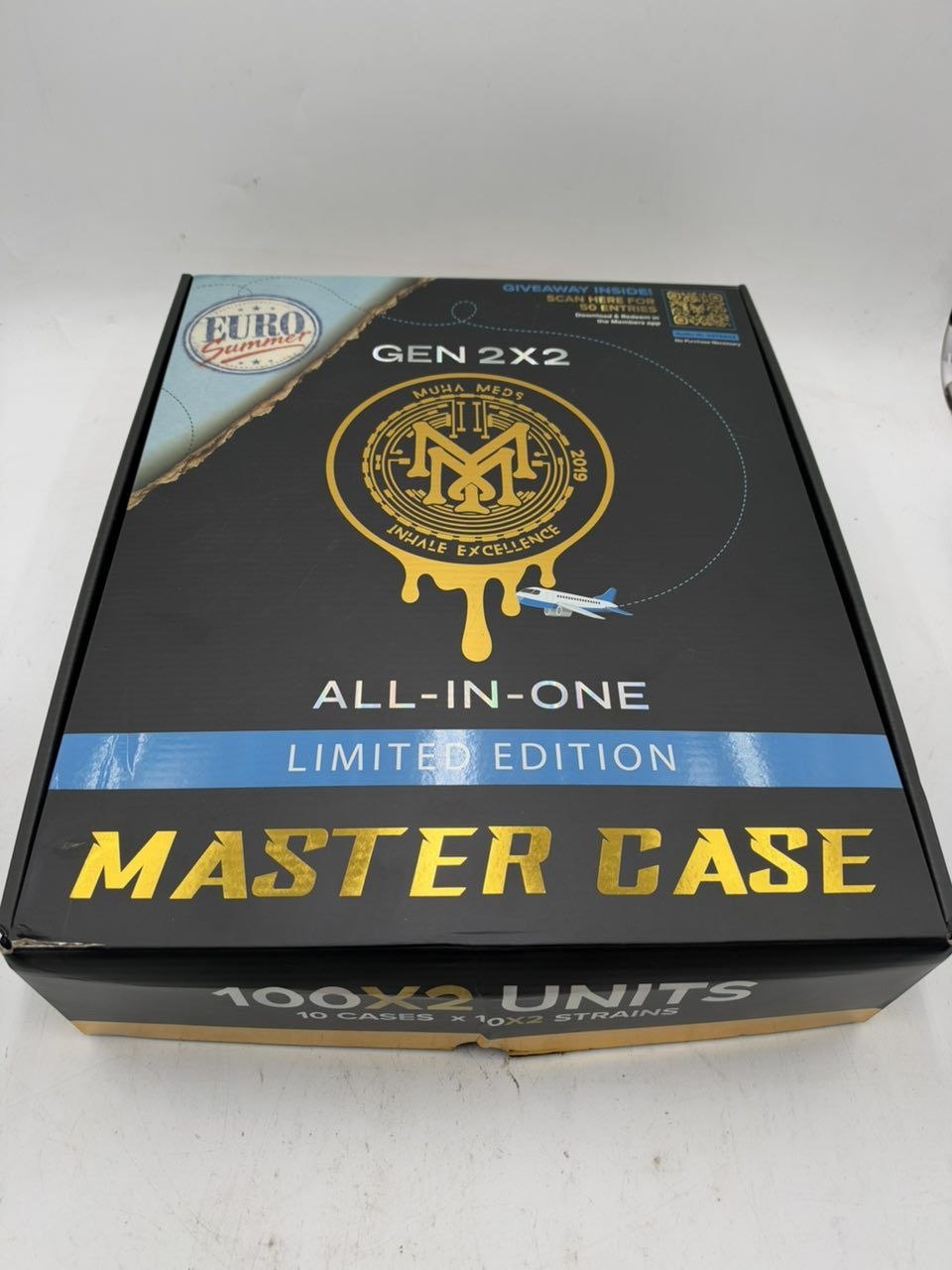
Muha Meds Gen 2×2 4G Disposable: Product Overview and Design Highlights
A Distinctive Addition to the Muha Meds Product Range
Muha Meds Gen 2×2 4G Disposable represents a product listing for customers interested in learning about the design, presentation, and identifying details of this particular device. Its name combines the Muha Meds brand with the Gen 2×2 designation and a stated 4G capacity, creating a clear product identity for retail catalogs and inventory pages.
Product names often contain several details that help distinguish one model from another. In this case, the Gen 2×2 label identifies the advertised version, while the 4G designation indicates the capacity claimed in the product name. However, the exact meaning of the model designation, the nature of the contents, and the device specifications should be verified through reliable packaging information.
Understanding the Gen 2×2 Product Identity
The Gen 2×2 designation serves as an important identifier when comparing product listings. Different versions within a product family may feature variations in packaging, appearance, construction, or technical specifications. Therefore, an accurate listing should distinguish this model from other Muha Meds products rather than combining details from several versions.
For customers researching this item, a clear product name makes identification easier. Additionally, consistent naming helps retailers organize their catalogs and maintain accurate inventory records.
The 4G designation also deserves careful attention. Although it communicates a stated capacity, the label alone does not establish the precise composition, quantity verification, or authenticity of an individual item. Those details depend on the product category and the information supplied by the manufacturer.
Appearance, Packaging, and Presentation
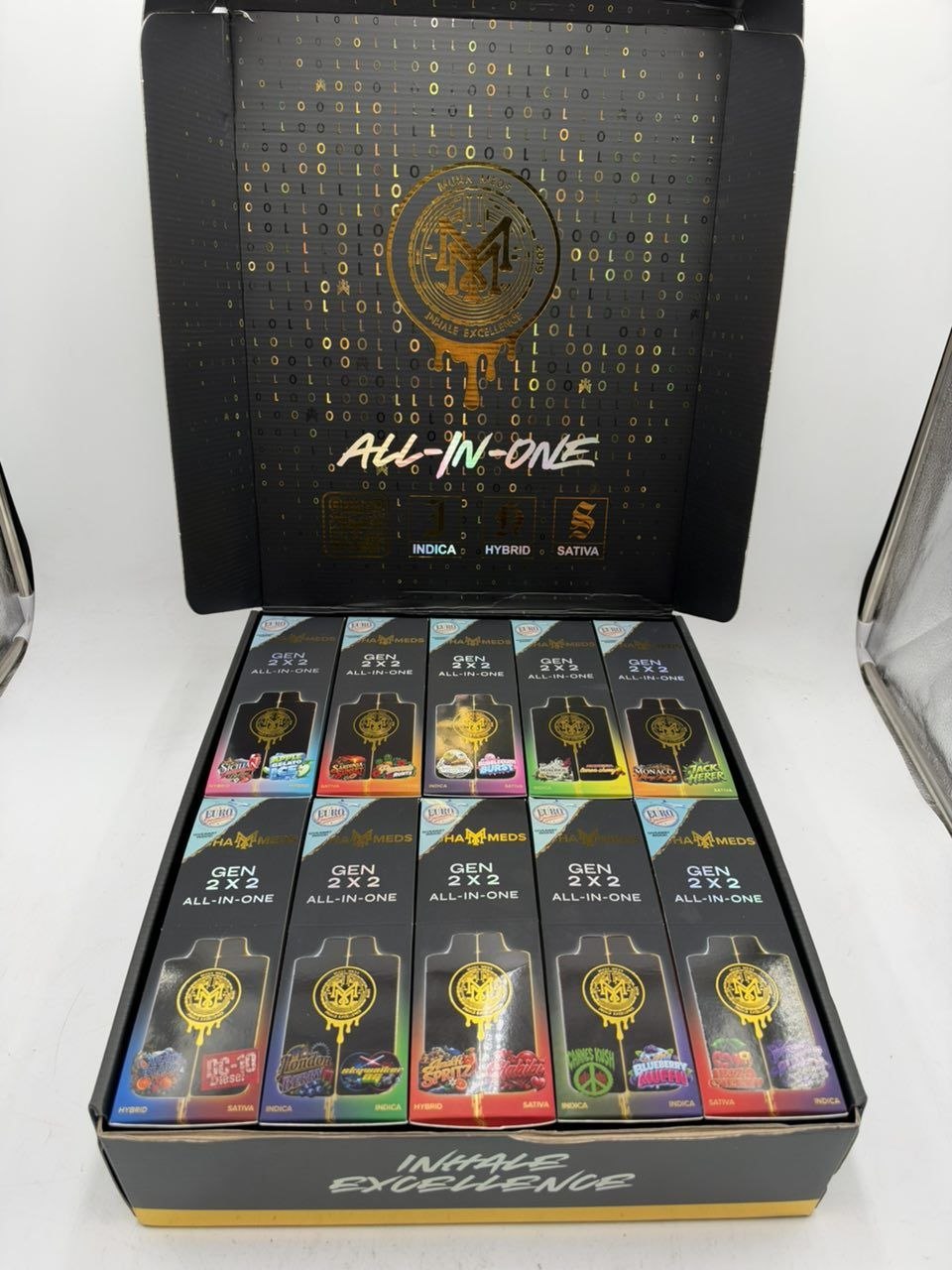
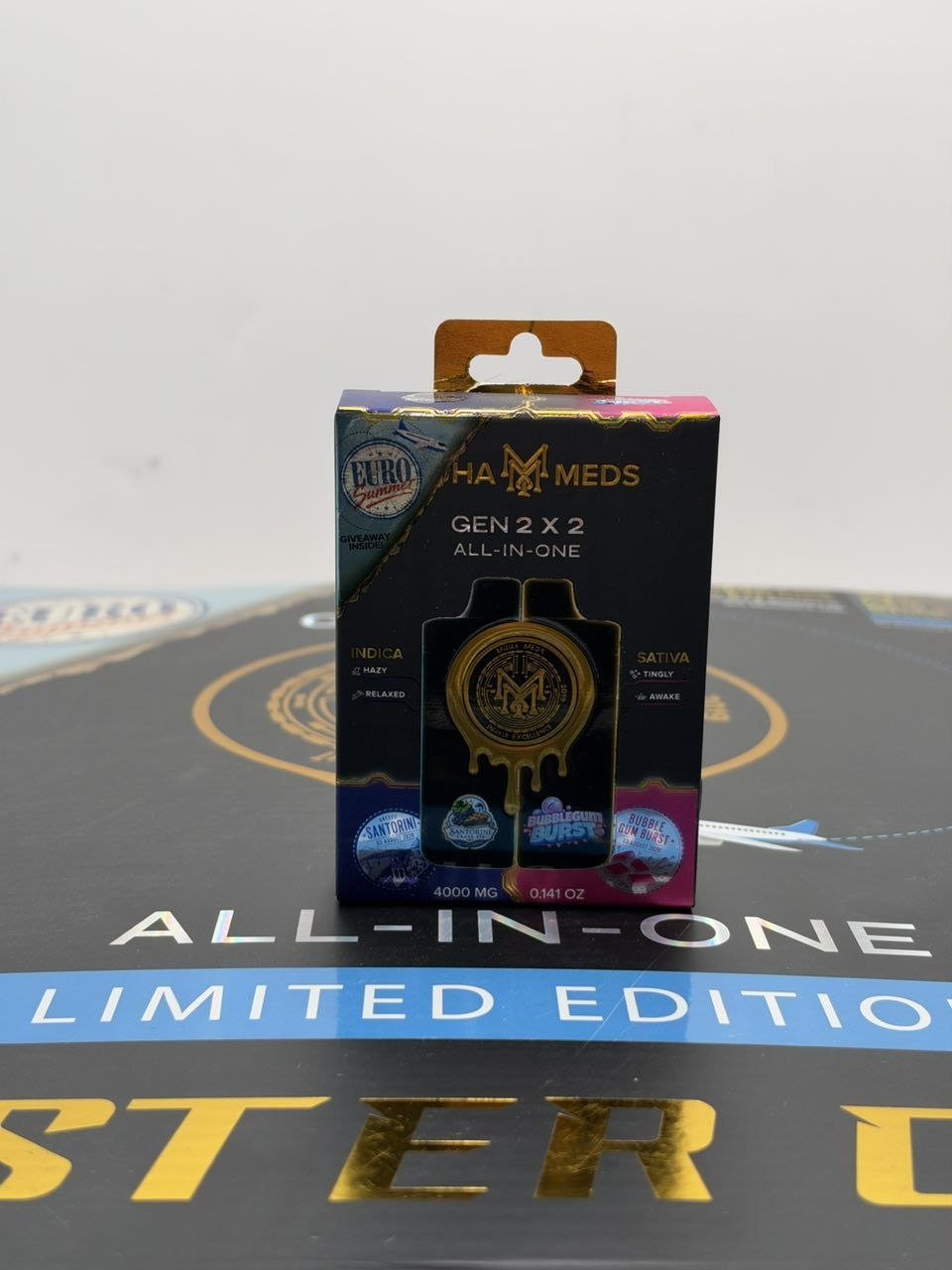
Packaging contributes to the first impression a product makes in a retail environment. Color choices, printed branding, model labels, and package condition can all influence how easily customers recognize an item.
However, visual appearance should not serve as the only measure of authenticity. Counterfeit products may imitate familiar brand elements, while legitimate products can differ in packaging across batches or markets. As a result, packaging details are most useful when they agree with information from an authorized source.
A product listing benefits from accurate photographs and readable labels. Clear images can help customers identify the advertised version, while straightforward descriptions reduce confusion between similar models.
Product Information and Specification Accuracy
Reliable product information provides a stronger foundation for customer confidence than unsupported promotional claims. For the Muha Meds Gen 2×2 4G Disposable, important details may include the verified product category, stated capacity, ingredients or contents, manufacturer information, applicable warnings, and relevant regulatory details.
Specifications should match the physical product and its packaging. Furthermore, any claim about construction, charging, compatibility, included accessories, or technical performance requires confirmation before publication.
This approach protects customers from misleading information and helps maintain consistency across product pages, order records, and customer service communications.
Distinguishing This Model From Other Product Listings
Retail catalogs often contain products with similar names, capacity labels, and packaging styles. A distinctive listing therefore needs more than a repeated brand name. It should identify the exact version and include only the features supported by reliable documentation.
The Gen 2×2 wording provides a useful starting point for that distinction. Nevertheless, the designation should not be treated as proof of a particular internal design or performance feature unless the manufacturer confirms it.
Likewise, the stated 4G capacity should remain separate from assumptions about potency, duration, ingredient concentration, or expected effects. These are different product characteristics and require their own supporting information.
Authenticity, Quality Checks, and Responsible Retailing
Authenticity matters whenever a product carries a recognizable brand name. Customers and retailers benefit from checking packaging consistency, seller credentials, batch information where available, and manufacturer verification resources.
In addition, the condition of the package can provide useful context. Broken seals, unclear labels, spelling errors, missing warnings, or inconsistent product information may justify further verification. None of these signs independently proves that an item is counterfeit, but discrepancies deserve attention.
Quality checks should also reflect the product category. Where applicable, documentation may include ingredient declarations, laboratory testing, manufacturing details, and legally required warnings. Such information should come from reliable sources rather than assumptions based on branding.
Clear Product Information for Online Catalogs
An effective product page gives readers the information they need without making unsupported promises. The product name, verified specifications, package details, and relevant safety information should appear in a logical order.
Short paragraphs improve readability, while specific headings help readers locate information quickly. Similarly, consistent terminology reduces confusion when several related products appear in the same catalog.
A well-organized page also separates confirmed facts from details that remain unverified. This distinction helps customers understand what the listing establishes and what requires additional confirmation.
Frequently Asked Questions About the Muha Meds Gen 2×2 4G Disposable
What does the Gen 2×2 designation mean?
Gen 2×2 identifies the advertised model or version. Its precise technical meaning should be confirmed through manufacturer documentation rather than inferred from the name alone.
What does the 4G label indicate?
The product name states a 4G capacity. The exact meaning and applicable measurement should be verified using the product packaging and documentation.
How can customers verify the exact product version?
Customers can compare the model name, package labeling, batch details, and other identifying information with reliable manufacturer or authorized retailer resources.
Are all products carrying the same brand name identical?
No. Product versions can differ in specifications, packaging, contents, and applicable warnings. Each listing should reflect the exact item being offered.
Which specifications belong on the product page?
A listing should include verified information about the product category, stated capacity, contents, packaging, manufacturer details, and applicable safety or regulatory requirements. Unconfirmed technical claims should remain excluded.
A More Transparent Approach to Product Listings
The Muha Meds Gen 2×2 4G Disposable listing benefits from accurate naming, distinctive headings, and careful attention to verified product information. Together, these elements create a clear presentation that distinguishes the advertised model without relying on exaggerated claims.
Ultimately, reliable product copy is built on specific facts rather than assumptions. Confirmed specifications, authentic packaging information, and transparent descriptions provide customers with a more useful basis for understanding the item.
Design Identity and the Importance of Model Recognition
The identity of the Muha Meds Gen 2×2 4G Disposable begins with its model name and stated capacity. These details help separate the product from other items within a similar retail category. Moreover, accurate identification makes online shopping catalogs easier to navigate, especially when several versions share comparable branding.
A product name can communicate useful information, but it does not explain every technical detail. For example, the Gen 2×2 designation should be treated as a model identifier until its exact meaning has been confirmed. Similarly, the 4G label should be presented according to the manufacturer’s stated specifications.
Clear identification also supports better customer communication. When a product is described consistently across a website, invoice, and package label, customers can compare the information more easily. As a result, the likelihood of confusion between similar listings may be reduced.
Packaging Details That Support Better Identification

Packaging plays an important role in product recognition. Printed names, model identifiers, manufacturer details, and other labeling elements help distinguish one item from another. In addition, readable packaging information gives customers a practical reference when comparing listings.
Nevertheless, packaging should be evaluated carefully. Similar-looking packages do not necessarily contain identical products, and a familiar design does not independently establish authenticity. Therefore, retailers benefit from comparing the package with reliable product documentation.
Product photographs can also improve the shopping experience. A clear image of the actual package helps readers understand what the listing represents. However, photographs should reflect the item being offered rather than an unrelated model from the same brand.
The Role of Accurate Specifications in Customer Confidence
Accurate specifications form the foundation of a trustworthy product page. Customers should be able to distinguish confirmed details from information that has not yet been verified.
For the Muha Meds Gen 2×2 4G Disposable, the product category, stated capacity, manufacturer information, and package details are useful starting points. Further technical information should appear only when reliable documentation supports it.
Additionally, descriptions should avoid unsupported statements about performance, durability, internal components, or expected results. Although promotional language can make a listing sound appealing, factual information offers greater long-term value.
A transparent description also makes product comparisons more meaningful. Rather than relying on broad claims, readers can review the details available for each item and decide which information matters most to them.
Responsible Information for Online Retail Customers
Responsible retail communication involves more than an attractive title. It includes clear labeling, appropriate warnings, accurate descriptions, and careful treatment of uncertain claims.
Product information should reflect the applicable laws and regulations in the market where an item is offered. Depending on the product category, this may include age restrictions, ingredient disclosures, safety notices, or other required information.
Furthermore, retailers should avoid presenting unverified statements as manufacturer guarantees. When a detail cannot be confirmed, leaving it out is more responsible than filling the gap with an assumption.
This approach supports a consistent customer experience. It also gives product pages a more professional tone by placing accuracy ahead of exaggerated promotional language.
Comparing the Gen 2×2 Listing With Related Models
Customers researching a particular model may encounter several products with similar names or capacity labels. A useful comparison therefore relies on confirmed differences rather than assumptions based on branding alone.
The model designation, package information, documented specifications, and manufacturer details provide a practical framework for distinguishing products. In addition, consistent terminology helps prevent different versions from being combined under a single description.
The stated capacity should also remain separate from other characteristics. Capacity alone does not establish ingredient concentration, potency, quality, or expected effects. Those details require independent evidence and should not be inferred from a number in the product name.
When accurate information is available, a comparison table can make the differences easier to understand. However, missing specifications should be identified as unconfirmed instead of being estimated.
Building a Consistent and Professional Product Page
A professional product page follows a clear structure. The title identifies the item, the opening paragraph explains its identity, and subsequent sections cover verified specifications, packaging, and relevant customer information.
Short paragraphs help readers follow the description without unnecessary effort. Meanwhile, meaningful headings divide the information into sections that are easy to scan.
Unique wording also matters when a retailer maintains a large catalog. Reusing identical paragraphs for every item can make product pages confusing and unhelpful. Instead, each description should focus on the exact product name, confirmed specifications, and relevant distinctions.
For the Muha Meds Gen 2×2 4G Disposable, the model designation and stated capacity provide a starting point for a distinct listing. Additional details can be included when supporting documentation becomes available.
The Muha Meds Gen 2×2 4G Disposable can be presented through a clear, product-specific listing that emphasizes identification, verified specifications, packaging details, and transparent information.
Its advertised model name and capacity provide the initial reference points. However, technical claims and other product characteristics require confirmation before publication.
Ultimately, a useful listing combines original wording with reliable facts. This balance gives customers a clearer understanding of the advertised item while helping retailers maintain accurate, consistent product information.
What Makes Product Identification Important in a Modern Retail Catalog
Product identification helps customers understand exactly which item appears on a retail website. In a catalog containing several models from the same brand, small differences in product names can have a meaningful impact on the shopping experience. Therefore, a clear description of the Muha Meds Gen 2×2 4G Disposable should focus on its advertised identity rather than details borrowed from unrelated products.
A recognizable product title also supports accurate inventory management. Retailers can use consistent naming across product pages, stock records, invoices, and customer communications. Consequently, the same item becomes easier to identify throughout the purchasing process.
However, a recognizable title should always match the actual product. If the package displays a different model designation or capacity, the listing needs to be reviewed before publication. This simple distinction helps prevent avoidable misunderstandings and improves the reliability of the catalog.
Product Presentation Through Clear and Original Language
The quality of a product description depends partly on how clearly it communicates information. Long sentences, repeated phrases, and vague promotional statements can make an otherwise straightforward listing difficult to understand.
For that reason, the Muha Meds Gen 2×2 4G Disposable benefits from original wording that explains the product name, identifies the available specifications, and separates confirmed details from unverified information.
A strong opening paragraph introduces the item without making promises about performance. The remaining sections can then explain packaging, identification, documentation, and other relevant characteristics. In addition, a natural writing style helps readers move through the page without encountering unnecessary repetition.
Original content also gives every listing a distinct purpose. Rather than applying identical descriptions to every product, each page can reflect the specific information available for its advertised model.
The Value of Transparent Product Information
Transparency allows customers to understand the difference between a confirmed specification and a marketing statement. For example, a stated capacity can be included when it matches the packaging, while a claim about ingredients requires appropriate supporting documentation.
Likewise, information about materials, components, compatibility, or included accessories should be checked before it appears on the product page. Although these details can make a description more informative, inaccurate specifications can create confusion.
Reliable documentation provides a stronger foundation than assumptions based on a product’s appearance. Where appropriate, manufacturer records, package labels, and applicable compliance documents can help establish the details that belong in the final listing.
Furthermore, transparent descriptions support consistent customer service. When a product page accurately reflects the advertised item, customers and retail staff have a shared reference for discussing its identity and specifications.
How Product Photographs Contribute to a Better Shopping Experience
Photographs provide a visual reference that complements written information. A clear image can help customers recognize the package, compare the printed model name, and understand the appearance of the advertised item.
Nevertheless, photographs should correspond to the actual product being listed. An image of another version may create confusion, even when the packaging appears similar.
A useful product gallery can include a front view, a readable view of relevant labeling, and additional package angles where appropriate. Any image containing manufacturer claims or technical specifications should remain consistent with the written description.
Image quality also matters. Clear lighting, a simple background, and readable details can make the product easier to recognize. At the same time, images should not be edited in ways that misrepresent the packaging or conceal important information.
Accurate Capacity Labels and Model Details
Capacity labels often attract attention in product catalogs because they provide a quick point of comparison. However, the meaning of a capacity figure depends on the product category and the manufacturer’s labeling conventions.
For the Muha Meds Gen 2×2 4G Disposable, the 4G designation appears in the advertised name. Its exact interpretation should follow the package and supporting documentation. It should not automatically be used to infer the amount of an individual ingredient, product strength, or expected performance.
The Gen 2×2 designation also requires careful handling. Unless the manufacturer explains the terminology, a listing should use it as an identifying name rather than assigning it an unsupported technical meaning.
This distinction keeps the description precise. In addition, it helps readers compare the advertised item with other models without confusing a product label with a verified specification.
Maintaining Consistency Across Product Categories
A well-managed online store uses consistent standards for product information while allowing each description to retain its own identity. Brand names, model labels, package details, and verified specifications should follow a recognizable format across the catalog.
At the same time, the headings and explanatory text should reflect the particular item. A listing for the Muha Meds Gen 2×2 4G Disposable should not automatically reuse every section written for a different model.
This balance improves navigation without making the catalog feel repetitive. It also makes updates easier because staff can identify which details need review when a product changes.
When a new package version becomes available, the title, images, and specifications can be checked together. Consequently, the page is less likely to contain conflicting information from different product versions.
Customer Questions and Clear Answers
Customers often look for direct answers before making a purchasing decision. A well-written product page can address common questions through a dedicated information section.
For example, readers may want to know how the model is identified, what the stated capacity means, which details appear on the packaging, and where reliable product information can be found.
Answers should remain straightforward. If a specification has not been verified, the description should explain that limitation rather than supply an estimated value. Similarly, questions about safety, compatibility, or ingredients require product-specific information.
Clear answers make the page more useful while reducing unnecessary ambiguity. They also help customers distinguish documented facts from assumptions that cannot be supported by the available information.
A Practical Standard for Reliable Product Descriptions
The most useful product descriptions combine readable writing with accurate information. They identify the advertised item, explain confirmed details, use distinctive headings, and avoid unsupported claims.
For the Muha Meds Gen 2×2 4G Disposable, the model name and stated capacity establish the basic subject of the listing. Further details should be added only when reliable product documentation supports them.
Ultimately, an effective retail description is not defined by the number of promotional statements it contains. Its value comes from the clarity of its information, the accuracy of its specifications, and the ease with which readers can understand the advertised product.

Reviews
There are no reviews yet.