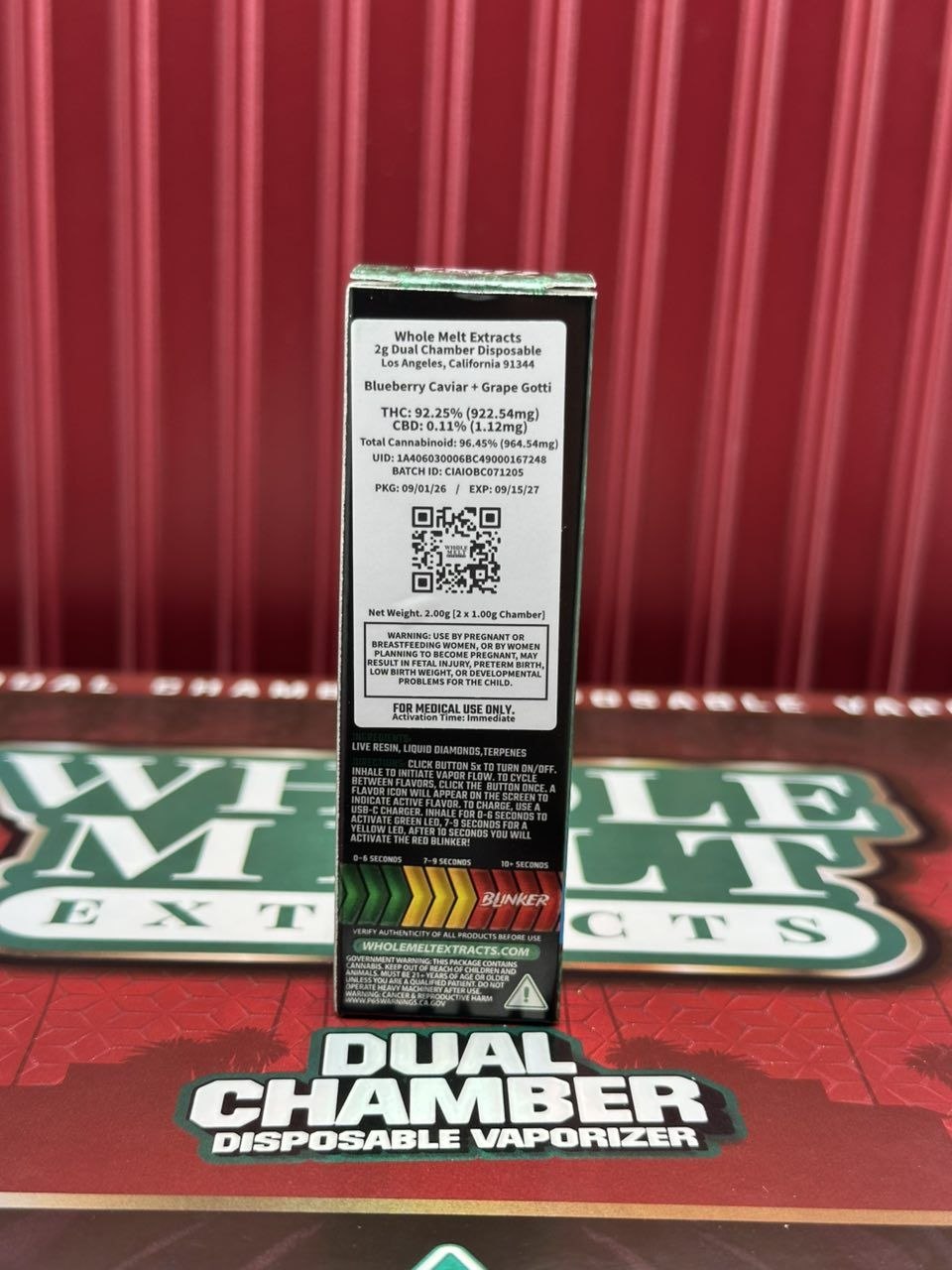
Whole Melt Phase Six V1 2G Disposable: Product Overview and Design
Introducing the Whole Melt Phase Six V1 Edition
The Whole Melt Phase Six V1 2G Disposable is a product associated with the Whole Melt name and its distinctive presentation. The Phase Six V1 edition offers a recognizable product identity for customers who are researching this particular model and comparing its listed characteristics with other products in the same category.
Product identity matters when browsing a collection. For that reason, the Phase Six V1 name helps distinguish this edition from other Whole Melt products and similarly named models. In addition, the stated 2G designation identifies the advertised two-gram capacity, although the exact contents and specifications should always be confirmed through reliable product documentation.
Understanding the Phase Six V1 Product Name
The Phase Six V1 name identifies a particular edition within the product range. Although different editions can share a brand name, their designs, formulations, and specifications may vary. Consequently, the exact model name is an important part of accurate product identification.
The V1 designation may be used to distinguish this edition from other versions. However, it should not automatically be interpreted as proof of a particular release date, upgraded technology, or manufacturing process. Verified packaging and manufacturer information remain the best sources for those details.
Similarly, the Phase Six name provides a clear identifier for product listings, inventory records, and customer inquiries. This makes the complete product name useful when customers compare listings or seek clarification about a particular edition.
What the 2G Designation Means
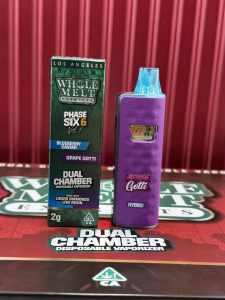
The 2G label commonly refers to a two-gram product capacity in this category. Nevertheless, the meaning of the label should be checked against the product’s official packaging and applicable specifications.
Capacity is only one part of a product’s overall identity. Other relevant details can include the listed ingredients, manufacturing information, package contents, applicable warnings, and intended market. Therefore, an accurate listing benefits from presenting confirmed information alongside the product name instead of relying on assumptions.
Customers may encounter products with similar names and different advertised capacities. As a result, checking the complete label can help distinguish one model from another and reduce confusion when comparing product listings.
Appearance and Product Presentation
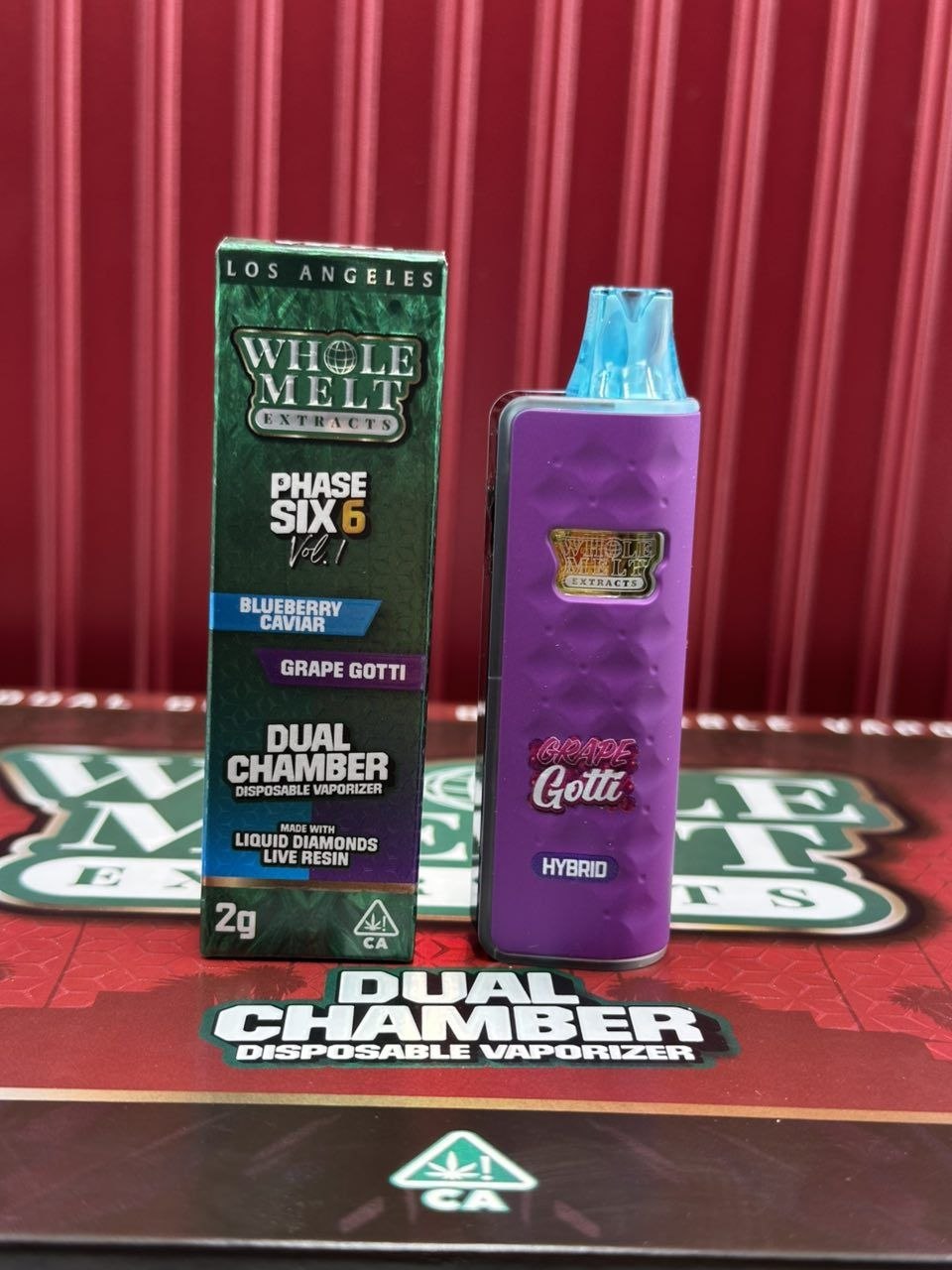
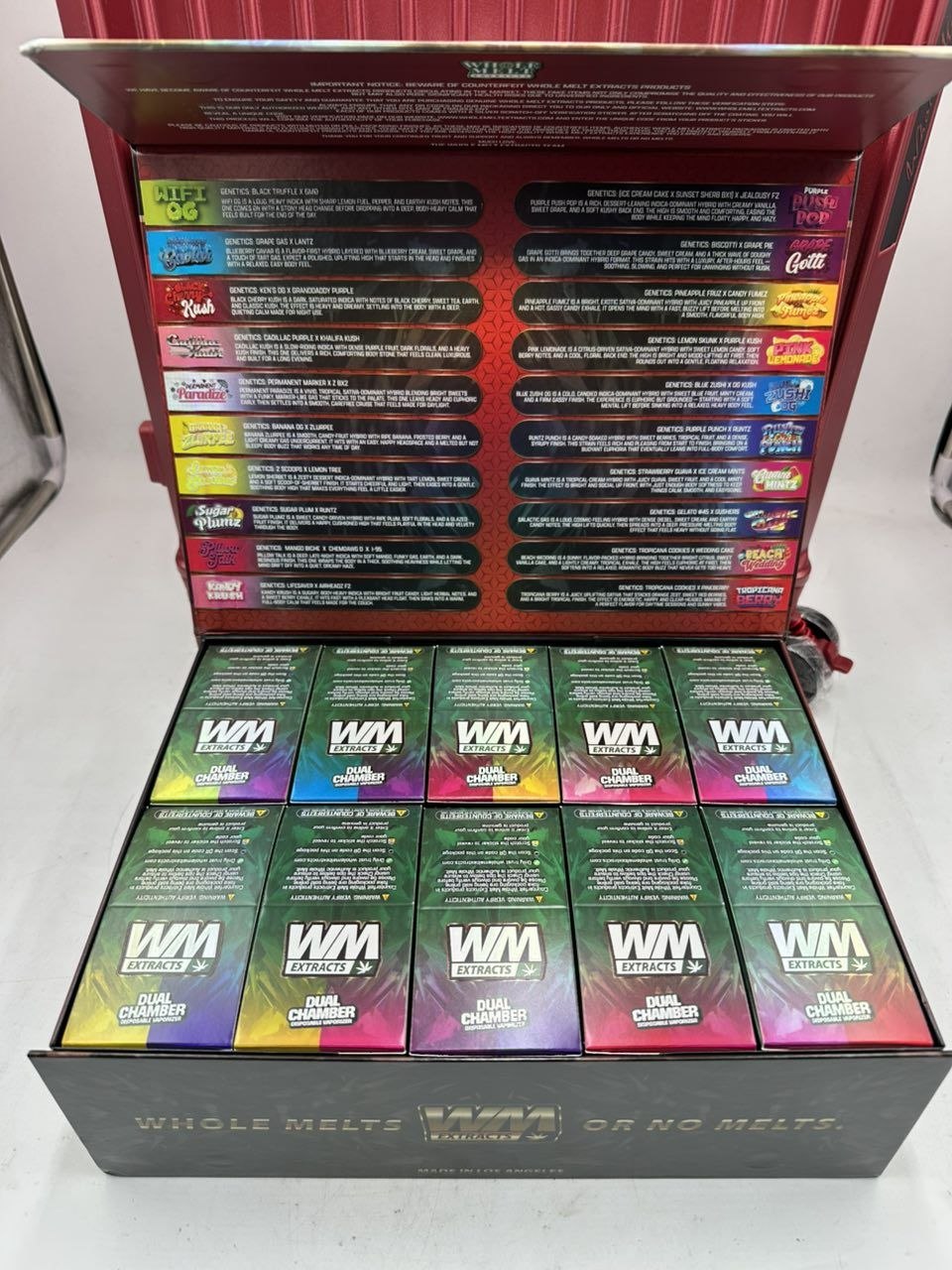
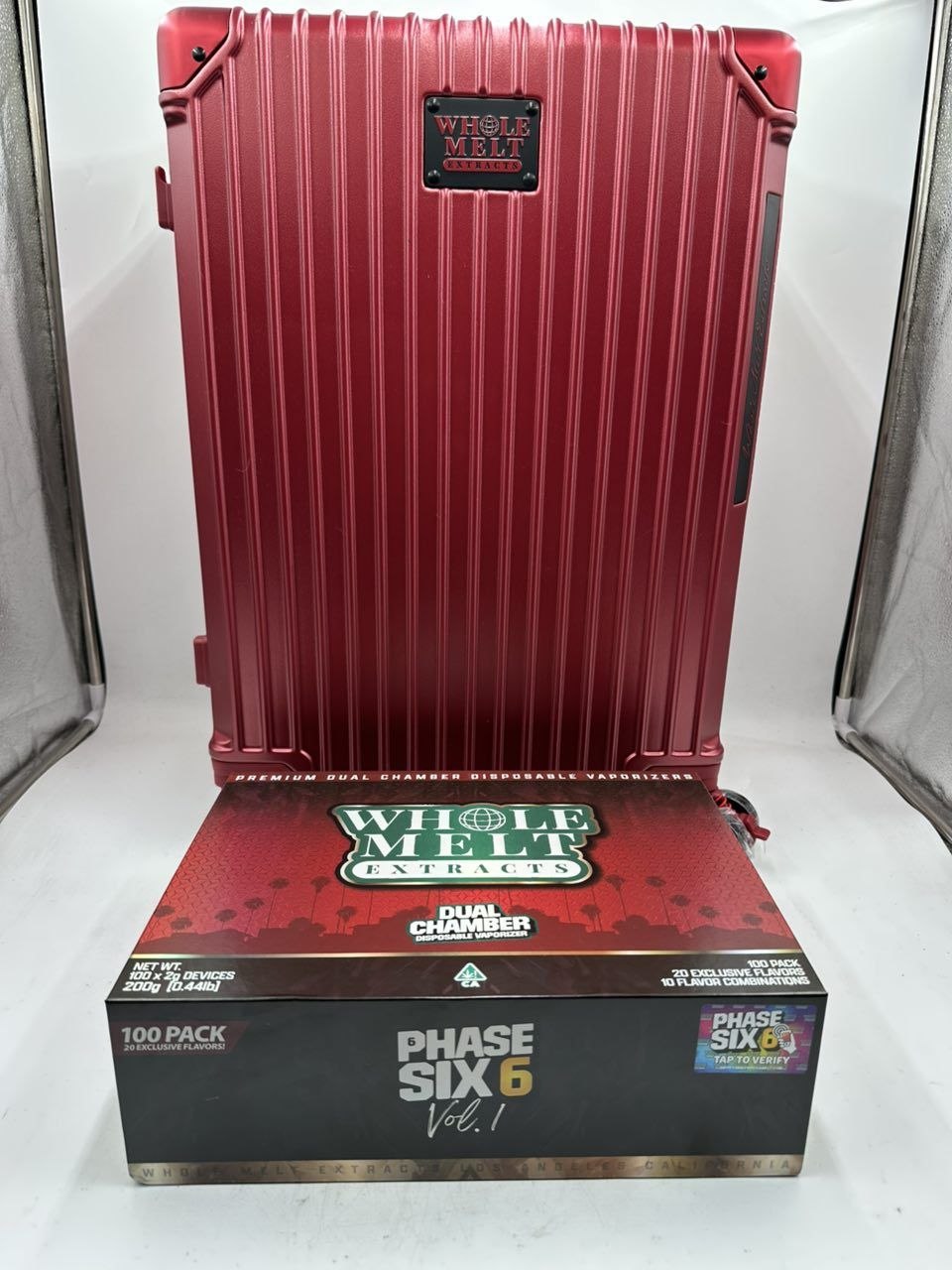
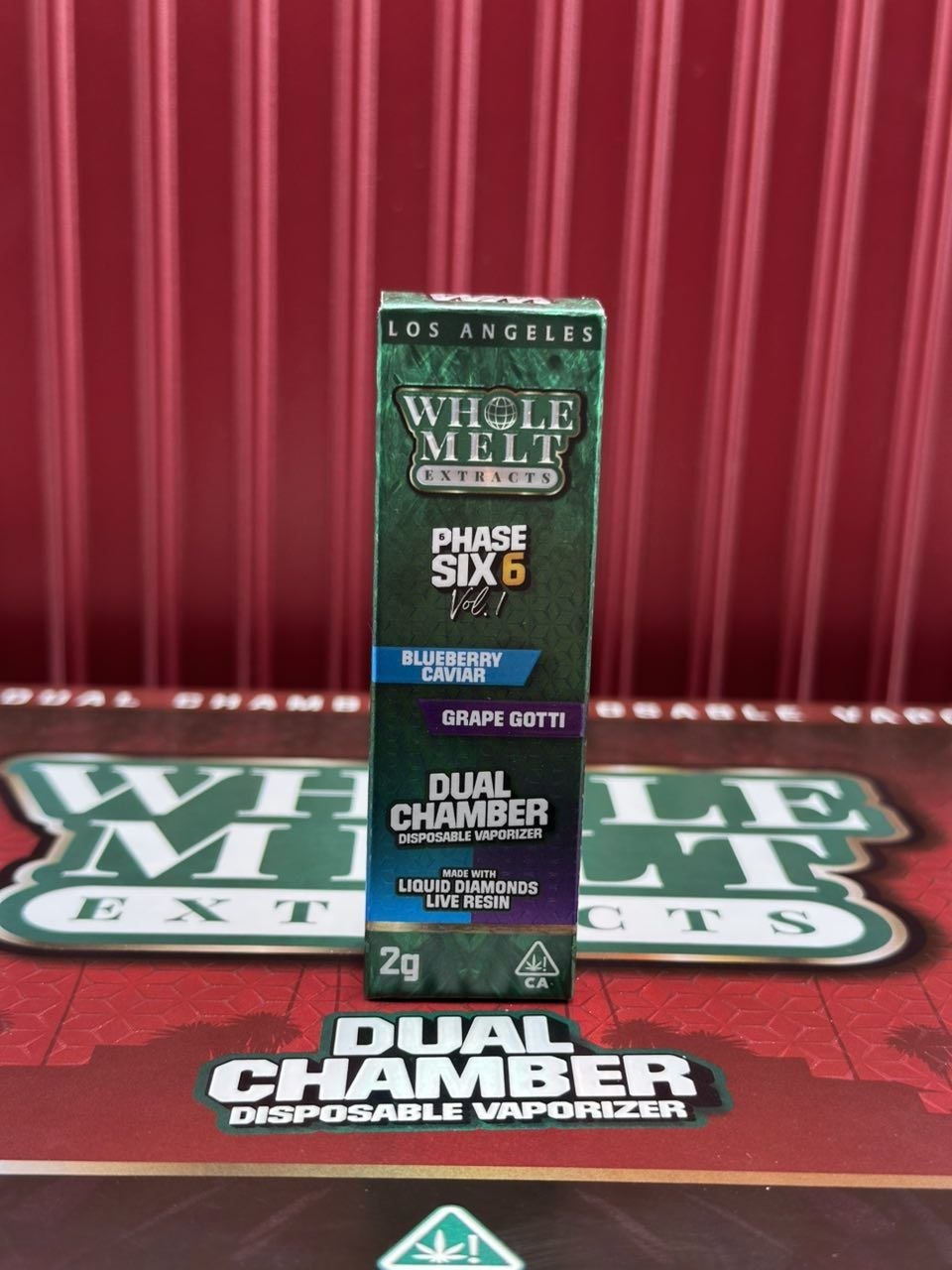
The Whole Melt Phase Six V1 edition can be presented in a product listing through clear photographs of its actual packaging and exterior. Accurate photographs help customers recognize the model and compare its appearance with the item described in the listing.
However, the appearance of a particular unit should not be assumed from photographs of unrelated editions. Packaging, printed graphics, colors, and exterior details can vary between product batches or markets. For that reason, images used in a store listing should represent the actual product being offered whenever possible.
A clean presentation also helps communicate essential information. The complete model name, advertised capacity, package labeling, and any applicable warnings should remain legible in supporting images. This approach creates a more informative listing without relying on exaggerated descriptions or unverified visual claims.
Identifying the Correct Whole Melt Edition
Product names can sometimes appear similar across online stores and retail catalogs. Nevertheless, small differences in edition names or capacity labels can indicate separate products. The Phase Six V1 designation should therefore remain consistent throughout the product title, description, inventory record, and supporting photographs.
Accurate identification is particularly important when several editions appear in the same collection. A consistent naming format allows customers to understand which model a listing describes. It also helps store owners maintain organized product records and avoid mixing specifications from different items.
Furthermore, reliable identification supports clearer communication between customers and sellers. When questions arise about packaging or listed specifications, the complete model name provides a useful starting point for checking the available documentation.
Product Information and Specification Transparency
A useful product description explains what is known without presenting assumptions as established facts. For the Whole Melt Phase Six V1 2G Disposable, the advertised model name and capacity provide a starting point. Additional information should come from verifiable packaging or manufacturer documentation.
Relevant details may include the manufacturer’s stated ingredients, the country or facility of manufacture where disclosed, the package contents, the applicable warnings, and any required compliance information. If a specification has not been confirmed, it is better to leave it out than to publish an inaccurate claim.
Likewise, a listing should not promise particular effects, consistent performance, or a specific composition without supporting evidence. Clear and measured language provides a more dependable source of information for customers researching a product.
Packaging Details and Label Information
Packaging can provide important information about a product’s identity and declared contents. For this reason, photographs and descriptions should reflect the actual package rather than an assumed design.
The printed label may include the model name, stated capacity, manufacturer details, batch identification, ingredients, warnings, or other information required in the relevant market. The precise details depend on the actual product and its packaging.
Additionally, a product listing should distinguish between information printed on the package and information independently verified by a manufacturer or testing organization. These are not necessarily the same thing. Keeping that distinction clear helps readers understand the source and limits of each claim.
Comparing Phase Six V1 With Other Editions
Customers comparing products often begin with the brand name and advertised capacity. However, a complete comparison should also consider verified specifications, packaging information, applicable quality documentation, and regulatory status.
The Phase Six V1 designation helps identify the particular listing under consideration. Even so, the name alone does not establish that this edition has different ingredients, superior construction, or better performance than another model.
A fair comparison therefore relies on documented differences. When official information is available for multiple editions, those details can be presented side by side. Otherwise, a listing should avoid assigning advantages that cannot be substantiated.
This approach keeps product information focused on identifiable characteristics instead of unsupported comparisons.
Quality Information and Authenticity Considerations
Authenticity is an important consideration whenever a product is sold under a recognizable brand name. However, a brand name or package design alone does not establish that a particular item is genuine.
Where available, verifiable manufacturer information, authorized distribution records, batch details, and relevant documentation can help establish product identity. The reliability of these records depends on their source and whether they can be independently checked.
Customers should also be aware that packaging can be copied or changed. Consequently, a familiar logo or similar appearance should not be treated as conclusive evidence of authenticity.
For retailers, accurate product photographs and honest descriptions support transparency. Claims about testing, certification, or manufacturing standards should only be included when suitable evidence is available for the exact product.
Responsible Product Information
Product information should reflect the nature of the item and the requirements that apply in its market. Where the product contains regulated substances, the applicable legal restrictions, age requirements, health warnings, and handling guidance are particularly important.
The product name and advertised capacity do not establish the complete composition or potential risks of the item. Those details require reliable documentation. Similarly, a listing should not make medical claims or guarantee a particular experience.
Clear warnings and accurate specifications help customers understand what the product is and what information remains unconfirmed. They also provide a more responsible alternative to promotional language based on assumptions.
Frequently Asked Questions About Whole Melt Phase Six V1 2G Disposable
What is the Whole Melt Phase Six V1 2G Disposable?
It is a product identified by the Whole Melt Phase Six V1 name and an advertised 2G capacity. The precise composition, features, and package contents should be confirmed through reliable product documentation.
What does 2G mean in the product title?
The designation commonly indicates a two-gram capacity in this product category. The exact meaning should be verified against the package label and manufacturer information.
What does V1 mean?
V1 is part of the model name and may distinguish one edition from another. Without official documentation, it should not be used to infer specific technical improvements or release history.
Are the ingredients and specifications confirmed?
They are not independently confirmed in this description. Any ingredient list, formulation details, or technical specifications should be taken from reliable documentation for the exact model.
How can the correct edition be identified?
The complete product name, package labeling, actual product photographs, and available manufacturer records can help distinguish this edition from similarly named products.
Does the product have verified testing information?
No testing claim is made here. Any statement about laboratory testing or certification should be supported by documentation that can be connected to the exact product or batch.
Can packaging vary between listings?
Packaging may differ by edition, batch, or market. Therefore, actual photographs and current labeling provide a more reliable reference than images of unrelated products.
The Whole Melt Phase Six V1 2G Disposable is identified by its specific edition name and advertised capacity. Its product listing is most useful when the name, photographs, and documented specifications all refer to the same item.
Clear identification, accurate package information, and transparent sourcing provide a reliable foundation for a professional product page. In addition, avoiding unsupported claims helps maintain consistency across a store’s catalog.
The Phase Six V1 designation and 2G label can help customers identify the listing, while manufacturer documentation can establish the remaining details. This creates a straightforward product overview that prioritizes clarity, accurate information, and responsible presentation.
Why Accurate Product Identification Matters
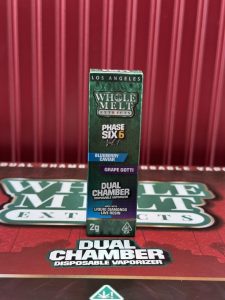
Accurate product identification plays an important role in a well-organized online catalog. When several products share similar names, customers can easily confuse one edition with another. Therefore, the complete Whole Melt Phase Six V1 2G Disposable name should appear consistently throughout the product title, description, and relevant inventory records.
In addition, a clear product identity helps retailers answer questions about packaging and specifications. Customers may want to know whether a particular listing matches the product shown in a photograph or whether two listings describe the same edition. Consistent naming makes these questions easier to address.
The advertised capacity also deserves careful attention. Although the 2G designation commonly refers to a two-gram capacity in this category, the exact meaning should be confirmed through the product label. This distinction matters because similar products may have different capacities or package configurations.
A Clear and Organized Online Product Listing
A professional listing brings together the information customers need without overwhelming them with repeated phrases. The product name, a concise introduction, accurate specifications, and clear photographs can establish a useful foundation.
Furthermore, the description should separate confirmed details from information that still requires verification. For example, a visible package label may establish the printed model name, while other characteristics may require additional documentation. Keeping these categories separate makes the listing easier to understand.
Product photographs should also correspond to the exact edition being described. Images from another version may create confusion, especially when packaging or labeling differs. Consequently, current photographs of the actual item provide a stronger reference than generic images.
Understanding Product Differences Without Assumptions
Products within the same collection can have different labels, packaging, and documented characteristics. However, similar branding does not establish identical composition or performance. Likewise, a different edition name does not automatically prove that a product has been upgraded.
A dependable comparison focuses on information that can be checked. Such information may include the stated capacity, package contents, ingredient disclosures, manufacturing details, and relevant compliance records.
Moreover, comparisons should use consistent criteria. When one product has documented specifications and another does not, the missing information should remain clearly identified rather than being filled with assumptions.
This method supports a more transparent catalog and gives readers a clearer understanding of the available evidence.
The Importance of Reliable Product Documentation
Reliable documentation provides the foundation for accurate product information. Depending on the product and market, relevant records may include manufacturer specifications, package labels, batch information, ingredient disclosures, and applicable testing or compliance documents.
Nevertheless, a document should not automatically be treated as proof of every claim associated with a product. Its source, date, scope, and connection to the exact model all matter.
For instance, documentation relating to a different edition may not establish the characteristics of the Phase Six V1 model. Similarly, a general brand statement may not verify the specifications of a particular batch.
Therefore, product descriptions benefit from precise wording and clearly identified sources. Claims about quality, composition, authenticity, or testing should reflect the evidence available for the exact item.
Customer Questions and Product Transparency
Customer questions often reveal which information a product page needs most. Questions about the model name, advertised capacity, package contents, and manufacturer details can indicate whether the listing is sufficiently clear.
A useful description addresses these topics directly whenever reliable answers are available. Where information remains uncertain, a brief explanation is more helpful than a confident but unsupported statement.
Additionally, consistent terminology across the catalog can reduce misunderstandings. The same edition name and capacity label should be used in the product title, description, and inventory records, provided those details match the actual package.
Clear communication also helps distinguish verified specifications from general category information. As a result, customers receive a more accurate overview of the item being presented.
Maintaining Consistency Across the Product Catalog
A well-maintained catalog uses a consistent structure without making every product description sound identical. Each listing can have its own introduction, relevant headings, and product-specific details while retaining a shared standard for accuracy.
For the Whole Melt Phase Six V1 2G Disposable, the most relevant topics include edition identification, the advertised capacity, package presentation, documentation, and responsible product information. Another model may require a different structure based on its verified characteristics.
Similarly, repeated claims should be removed when they do not add useful information. A concise explanation of a confirmed feature is generally more informative than several paragraphs repeating the same point.
The result is a more readable catalog in which each product has a distinct identity and a description suited to its available specifications.
Notes on the Phase Six V1 Listing
The Whole Melt Phase Six V1 2G Disposable can be identified in a catalog through its complete product name and advertised capacity. However, a full specification profile requires reliable information about the exact edition.
Accurate photographs, consistent naming, and transparent documentation help establish a clear product page. In addition, careful wording prevents unverified assumptions from being presented as confirmed features.
Ultimately, a useful product description should help readers understand what is known about the item, where additional verification is needed, and how the listing differs from other editions. That approach supports a more professional and trustworthy product catalog.
The Role of Edition Names in Product Recognition
Edition names help distinguish products that belong to the same brand or collection. The Whole Melt Phase Six V1 designation provides a specific name for this listing, making it easier to reference in a product catalog, inventory system, or customer inquiry.
However, a product name should not be treated as a complete specification sheet. Although the designation identifies the advertised model, it does not independently confirm the ingredients, manufacturing process, or technical characteristics. Those details require supporting documentation.
In addition, consistent naming helps reduce confusion when multiple editions appear together. A complete title can make the difference between a clear product listing and one that leaves important questions unanswered.
Presenting Product Details in a Readable Format
Readability is an important part of an effective online catalog. Customers should be able to identify the product, understand its advertised capacity, and locate relevant information without navigating through unnecessary repetition.
For this reason, a useful listing can begin with a brief introduction and continue with sections covering verified specifications, packaging, documentation, and relevant warnings. Each section serves a distinct purpose, allowing the description to remain organized.
Furthermore, short paragraphs make product information easier to scan on computers and mobile devices. Clear wording also reduces the possibility that a general statement will be mistaken for a confirmed feature.
The final presentation should remain informative rather than relying on exaggerated claims or language that promises a particular result.
Distinguishing Advertised Capacity From Verified Contents
The 2G designation is an important part of the product title, but the label alone does not establish every detail about the contents. The actual meaning should be checked against the packaging and reliable manufacturer information.
This distinction is relevant when comparing products from different manufacturers or editions. Similar capacity labels do not necessarily establish identical formulations, ingredients, or package contents.
Consequently, a product description should avoid extending the meaning of the capacity label beyond what the available documentation supports. Where the manufacturer provides a clear explanation, that information can be incorporated into the listing accurately.
Packaging Presentation and Visual Consistency
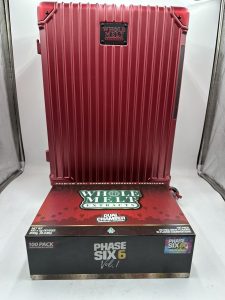
Visual consistency helps customers connect a written description with the product shown in photographs. For the Phase Six V1 edition, images should reflect the actual packaging and visible product details rather than an assumed design.
A clear photograph can show the printed name, exterior appearance, and available package information. Nevertheless, an image cannot independently establish the contents, authenticity, or quality of an item.
Moreover, photographs should not conceal important label information or create a misleading impression about what is included. If the packaging varies between batches or markets, the listing should reflect the version currently offered.
These details support a clearer shopping experience while keeping the presentation grounded in observable information.
Responsible Claims About Quality and Manufacturing
Product quality is a broad concept that can involve materials, manufacturing controls, ingredient consistency, packaging integrity, and compliance with applicable standards. However, none of these characteristics should be attributed to the Phase Six V1 edition without suitable evidence.
Claims such as laboratory tested, independently verified, or manufactured under a particular standard require documentation that supports the exact statement. A general brand description is not necessarily sufficient proof.
Likewise, customer reviews and promotional images should not replace reliable records when a claim concerns composition, safety, or compliance. Each source has different limitations, and those limitations should be acknowledged.
A careful description can still provide useful information without making claims that have not been established.
Helping Customers Compare Product Listings
Product comparisons become more useful when each listing provides information in the same general categories. These categories may include the complete model name, stated capacity, packaging details, documented ingredients, and available manufacturer information.
For example, two listings may display similar names but differ in their printed capacity or package contents. In that situation, the visible differences should be described accurately rather than interpreted as evidence of superior performance.
Similarly, missing specifications should remain marked as unconfirmed. This approach avoids giving one product an unfair advantage merely because its description contains more promotional language.
A consistent comparison method makes the information easier to evaluate and supports better catalog organization.
Frequently Considered Details Before Publishing the Listing
Before a product page is published, several details deserve a final review. The product title should match the actual item, and the advertised capacity should agree with the package labeling. Photographs should also correspond to the correct edition.
In addition, any statements about ingredients, testing, manufacturing, or authenticity should have appropriate supporting evidence. Unsupported claims can create confusion and weaken the reliability of the overall catalog.
Spelling and formatting deserve attention as well. The Whole Melt Phase Six V1 name should remain consistent throughout the listing, while headings should describe the information contained in each section.
Together, these checks help create a product page that is clear, organized, and accurate.
Closing Overview of the Whole Melt Phase Six V1 2G Disposable
The Whole Melt Phase Six V1 2G Disposable is identified by its advertised model name and capacity designation. Those details provide a starting point for a product listing, while further specifications depend on reliable information for the exact edition.
A well-prepared description combines readable language, accurate photographs, consistent naming, and transparent documentation. It also avoids claims about product characteristics that have not been independently established.
Ultimately, a strong product page does more than repeat a name. It organizes the available information so readers can distinguish confirmed details from unverified claims and understand the product’s place within a larger catalog.

Reviews
There are no reviews yet.