

Muha Meds 4G Disposable: Product Overview and Brand Identity
An Introduction to the Muha Meds 4G Disposable
The Muha Meds 4G Disposable is a product name associated with the Muha Meds brand and its disposable vape category. Its four-gram designation is part of the product’s stated identity; however, the exact contents, formulation, and specifications depend on the particular version and its verified packaging.
Muha Meds has developed a recognizable identity in the cannabis-product market. Consequently, shoppers may encounter different product editions, package designs, and descriptions under the same brand name. Understanding those differences is important when evaluating a product listing.
What Makes This Product Listing Distinctive?

A clear product listing combines accurate identification with useful information. For the Muha Meds 4G Disposable, the most important details include the specific edition, verified contents, applicable testing information, and the manufacturer’s instructions.
In addition, packaging and labeling can help distinguish one version from another. Product names alone do not establish authenticity, potency, quality, or legal compliance. Therefore, information from reliable documentation is more useful than unsupported promotional claims.
Understanding the Four-Gram Designation
The four-gram designation identifies the advertised quantity associated with this product name. Nevertheless, the precise meaning should be confirmed against the package label and the applicable product documentation.
For example, the listed quantity should not automatically be interpreted as a guarantee of a particular number of sessions, a specific duration of use, or a particular concentration of active ingredients. Those characteristics depend on the formulation, device specifications, and other product-specific factors.
Packaging, Identification, and Product Details
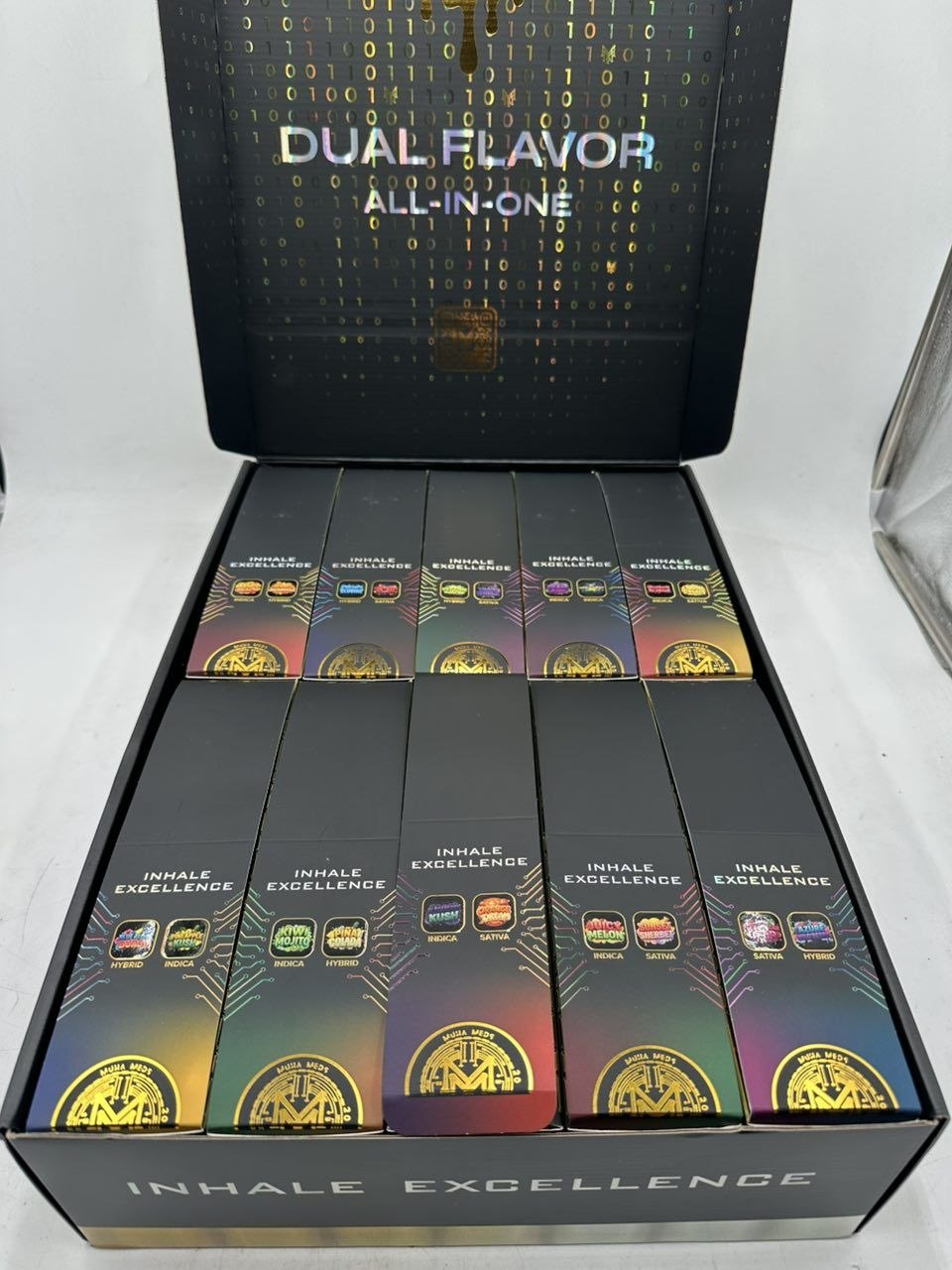
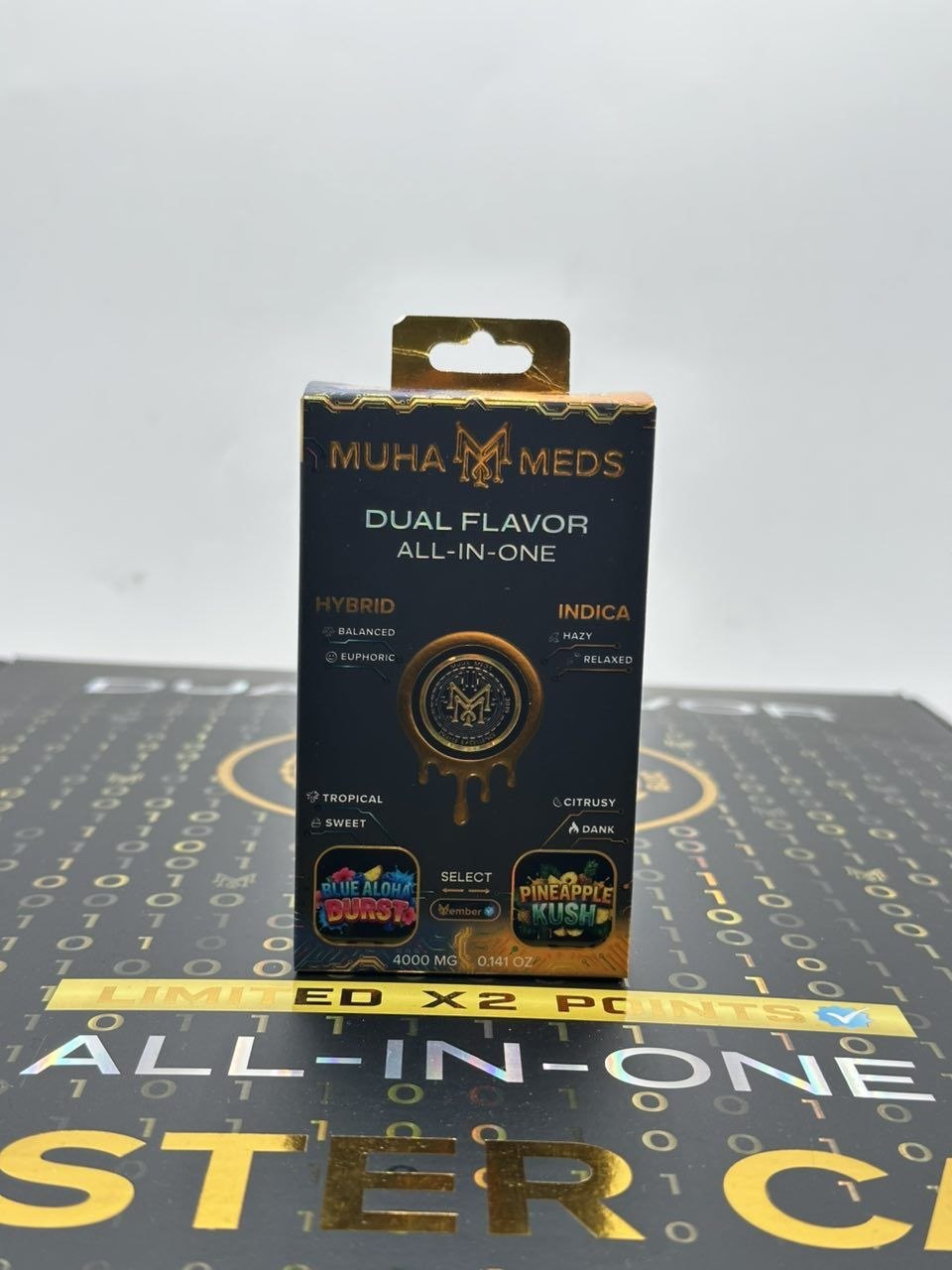
Packaging plays an important role in identifying a disposable vape product. Labels may provide the manufacturer’s information, batch details, ingredient declarations, testing references, warnings, and other information required by the relevant jurisdiction.
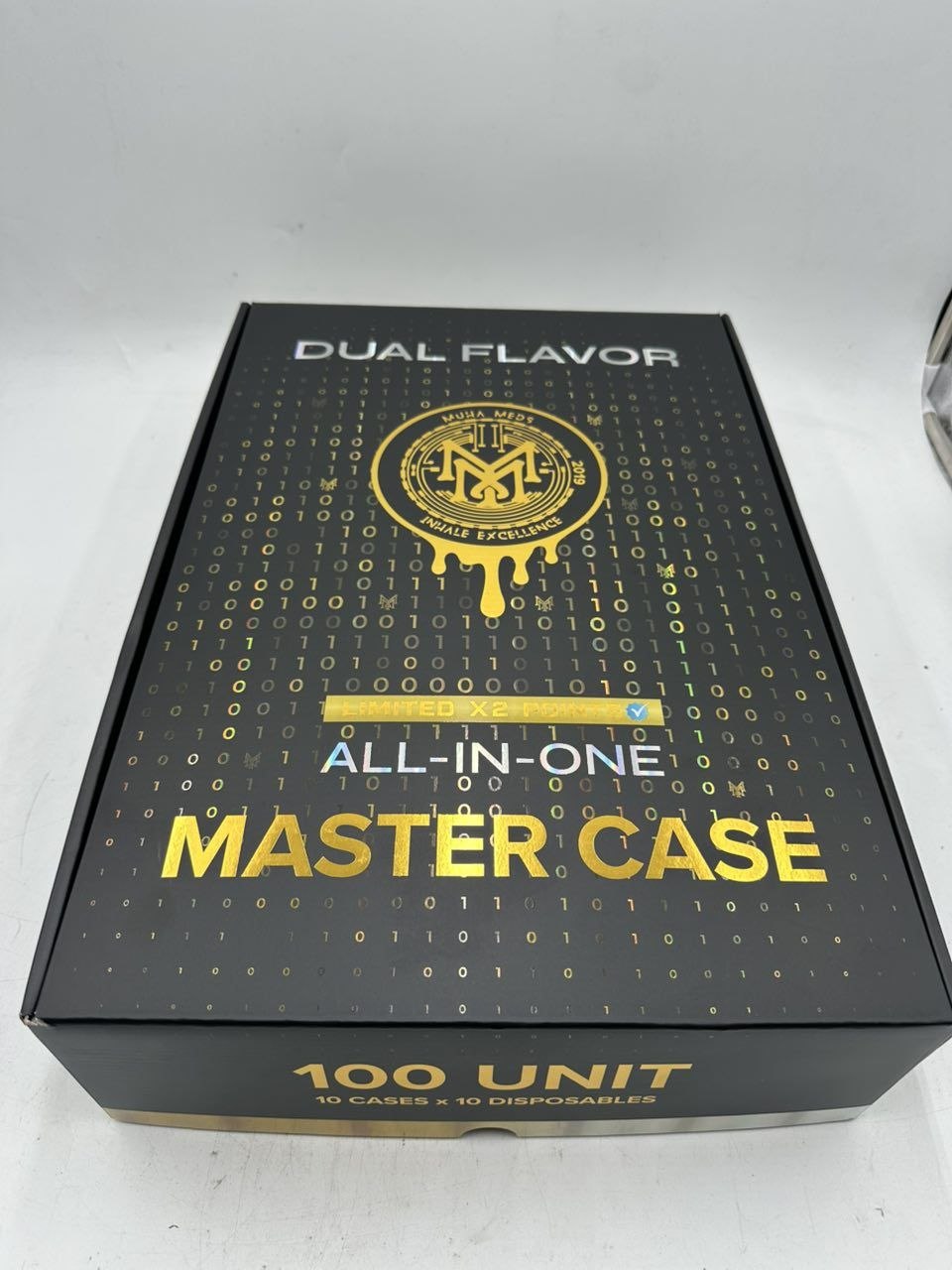
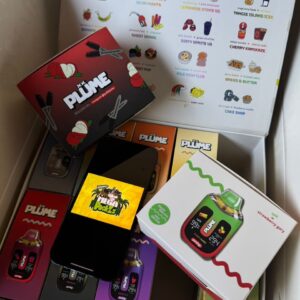
Meanwhile, package appearance can change between editions or production runs. As a result, a product description benefits from distinguishing confirmed details from visual assumptions. Clear photographs and accurate labeling help readers understand which version a listing represents.
Product Information and Consumer Awareness
Responsible product information focuses on transparency rather than exaggerated promises. The Muha Meds 4G Disposable listing should identify the specific product version and explain only the features supported by reliable documentation.
Cannabis products may carry health risks, and their legal status differs by location. Furthermore, packaging that resembles a recognized brand does not, by itself, prove authenticity. Independent verification and applicable laboratory documentation provide stronger evidence.
Authenticity and Quality Considerations
Authenticity is an important consideration in markets where branded products may be imitated. Differences in printing, labeling, batch information, or packaging can warrant additional verification, although appearance alone cannot establish whether a product is genuine.
Similarly, quality should not be inferred from branding or a stated quantity. Reliable product information includes traceable manufacturing details, relevant testing records, accurate ingredient information, and compliance with applicable rules.
Storage, Handling, and Safety Information
Storage and handling requirements depend on the specific product and its manufacturer. Cannabis vape products should be kept away from children and pets, stored securely, and handled according to the instructions on the original packaging.
Disposable electronic devices also contain components that require appropriate disposal. Local electronic-waste and battery-disposal guidance may apply. In addition, products should not be modified or used when their packaging, device, or contents appear damaged or compromised.
Legal Awareness and Responsible Information
Cannabis regulations vary considerably between countries, states, and other jurisdictions. Product availability, possession, age requirements, and permitted uses may therefore differ by location.
For that reason, any commercial listing should reflect the rules that apply to its intended market. Age restrictions and required warnings should remain clear, and unsupported medical, safety, or performance claims should be avoided.
Overview of the Muha Meds 4G Disposable
The Muha Meds 4G Disposable can be identified in a product catalog by its brand name and stated four-gram designation. However, a complete and dependable listing requires confirmation of the exact edition, verified contents, packaging details, and applicable testing information.
Ultimately, accurate identification and transparent product information create a more useful shopping experience. A well-prepared listing explains what is known, acknowledges what remains unverified, and presents safety and legal information without relying on exaggerated claims.
A Closer Look at Product Identification and Presentation
A product’s identity depends on more than its name or package design. For the Muha Meds 4G Disposable, accurate identification begins with the exact edition and the information supplied by its manufacturer. This approach helps distinguish confirmed product characteristics from assumptions based on photographs or third-party descriptions.
In addition, consistent product information makes an online catalog easier to understand. When the product name, edition, label, and supporting documentation agree, customers can make more informed comparisons. However, inconsistencies should be investigated rather than explained away through promotional language.
The Importance of Accurate Product Labels
Labels provide essential information about a product’s identity and intended handling. Depending on the market and product category, they may include manufacturer details, ingredient declarations, batch identification, warnings, and testing information.
Furthermore, the wording on a label should match the information displayed on the product page. A listing that contains conflicting quantities or descriptions can create confusion. Therefore, verified packaging details offer a more reliable foundation than assumptions drawn from a product’s appearance.
Recognizing Differences Between Product Editions
Products sold under a shared brand name may have different editions, packaging styles, or specifications. These differences can reflect changes in presentation, manufacturing, or the particular market for which an item was produced.
Nevertheless, visual differences do not automatically indicate a change in formulation or quality. Likewise, similar packaging does not prove that two products have identical contents. Each edition should be identified through its own reliable documentation.
How Product Information Supports Better Comparisons
Clear descriptions help readers compare product listings without relying on vague statements. The Muha Meds 4G Disposable can be presented alongside other catalog entries by using consistent fields for the product name, stated quantity, edition, manufacturer information, and available testing documentation.
This structure also makes differences easier to recognize. For instance, two listings may share a similar name while providing different package information. When those details are displayed separately, readers can identify the distinction without having to interpret unsupported claims.
Distinguishing Verified Details From Assumptions
A dependable product page separates confirmed facts from information that has not been established. The stated quantity may appear in the product name, while the exact formulation and other specifications require confirmation from an appropriate source.
Similarly, an image can show the external appearance of a package, but it cannot independently establish the contents or authenticity of the item. Laboratory records, traceable batch information, and manufacturer documentation can provide additional evidence.
Why Transparency Matters in Online Catalogs
Online shoppers often depend on written descriptions to understand products before making a decision. For that reason, missing details should not be filled with invented specifications or broad promises.
Instead, transparent wording explains the available information and identifies any limitations. This approach supports consistency across product pages and reduces the likelihood of misleading statements. Moreover, it creates a clearer distinction between factual product information and general brand presentation.
Packaging Appearance and Visual Consistency
The visual presentation of a product contributes to its recognition within a catalog. Product photography, readable labels, and a consistent naming format can make a listing easier to identify.
However, attractive presentation should not replace accurate information. Images should represent the actual edition being described, and any visible claims should agree with the supporting documentation. If packaging has changed, the listing should reflect that difference rather than combining images and specifications from unrelated versions.
Product Photography and Description Accuracy

Clear photographs can help readers examine packaging details and recognize the listed edition. Nevertheless, photographs have limits. They cannot establish laboratory results, ingredient concentrations, or manufacturing history without supporting evidence.
Consequently, the written description and images should complement each other. The images show the item’s appearance, while the text explains the confirmed information associated with that specific version.
Consistency Across Product Pages
A well-organized catalog can use a consistent information structure without repeating identical descriptions for every product. Each listing can have its own introduction, section headings, and order of details while maintaining the same standards for accuracy.
For the Muha Meds 4G Disposable, the focus can remain on identification, stated quantity, documentation, and safety considerations. Other products may require different sections depending on their verified features and labeling requirements.
Consumer Safety and Responsible Handling
Product descriptions should include relevant safety information in clear, direct language. Cannabis products may carry health risks, and the risks can vary with their ingredients, potency, method of use, and individual circumstances.
Additionally, disposable vape devices contain electronic components and may contain batteries that require suitable handling. Damage, leakage, unusual heating, or compromised packaging can indicate a problem that needs appropriate attention.
Secure Storage and Access Prevention
Secure storage helps reduce the risk of accidental access by children and pets. Products should remain in their original packaging where appropriate and should be kept in accordance with the manufacturer’s storage guidance.
Furthermore, storage conditions can affect some product components. The applicable instructions should therefore take priority over generic assumptions about temperature, moisture, or shelf life.
Electronic Components and Disposal
Disposable electronic products should not automatically be treated as ordinary household waste. Depending on local requirements, batteries and electronic components may need to be taken to an appropriate collection or recycling facility.
The device should not be dismantled merely to separate its components. Instead, the applicable disposal guidance can help determine the appropriate method for the product and location.
Regulatory Information and Market Differences
The legal requirements for cannabis products differ between jurisdictions. Rules may address minimum age, possession, retail licensing, product labeling, advertising, testing, and permitted distribution.
As a result, a description prepared for one market may not be suitable for another. A business operating across different regions should review the relevant requirements before publishing product details or making claims about availability.
Accurate Warnings and Age Requirements
Age restrictions and required warnings should be presented clearly wherever applicable. These notices are important parts of responsible product information rather than optional promotional details.
Likewise, a product listing should not imply that an item is legal everywhere simply because it is available in one market. Local rules determine which activities and sales are permitted.
Responsible Advertising Language
Responsible commercial writing avoids unsupported claims about health benefits, safety, potency, or guaranteed effects. It also avoids suggesting that a product is appropriate for everyone.
Instead, factual wording keeps the focus on the verified identity and documented characteristics of the item. This creates a more reliable description and helps readers distinguish evidence-based information from general marketing language.
Building a Clear and Reliable Product Listing
The strongest product descriptions combine useful detail with straightforward language. For the Muha Meds 4G Disposable, a complete listing would ideally contain the verified product edition, the exact meaning of the stated quantity, relevant package information, manufacturer details, and accessible documentation where available.
Moreover, the description should be reviewed whenever the underlying product information changes. Updated packaging, revised labeling, or newly available documentation may require changes to the listing.
Maintaining Original Content
Original writing helps each catalog entry communicate its own purpose. Rather than using the same headings and paragraphs for every product, the structure can be adapted to the information that is actually available.
For this listing, sections about identification, packaging, verification, and responsible handling provide a distinct structure. A different product may need more attention to its ingredients, dimensions, materials, or other documented characteristics.
Reviewing Information Before Publication
A final review can identify unsupported statements, inconsistent quantities, unclear wording, and missing warnings. Product names and specifications should agree across the title, description, images, and any accompanying catalog fields.
In addition, every technical statement should be traceable to an appropriate source. When a detail cannot be verified, leaving it out is more reliable than presenting an assumption as a fact.
Perspective on the Muha Meds 4G Disposable
The Muha Meds 4G Disposable is best represented through a product description that emphasizes identification, transparent documentation, and responsible information. Its name and stated quantity provide a starting point, but they do not establish every detail about its formulation, authenticity, or performance.
Ultimately, a useful product page is built on accuracy rather than repetition. Clear headings, original paragraphs, relevant safety information, and verified specifications help create a catalog entry that is informative without making promises the available evidence cannot support.
The Role of Reliable Information in Product Descriptions
A detailed product description serves as a reference point for understanding an item’s identity and documented characteristics. For the Muha Meds 4G Disposable, reliable information is especially important because product names, packaging, and specifications may differ between editions or markets.
Furthermore, a product page should distinguish between information confirmed by the manufacturer and details supplied by independent sellers. This distinction makes the description easier to evaluate and helps prevent unverified claims from becoming part of the product record.
Manufacturer Information and Product Traceability
Manufacturer information can help establish where a product originated and which specifications apply to it. Depending on the product and market, supporting records may include batch identification, labeling documentation, ingredient information, and applicable laboratory results.
However, the presence of a brand name alone does not establish traceability. Documentation should correspond to the specific item or batch whenever possible. In addition, any discrepancies between packaging and supporting records deserve careful review.
Understanding Batch Identification
Batch identification connects a product to a particular production group or manufacturing record. Where available, this information may support verification and help distinguish one production run from another.
Nevertheless, a batch number does not independently guarantee quality or authenticity. Its value depends on whether it can be matched to reliable records. Therefore, product descriptions should present traceability information accurately without treating a printed code as conclusive proof.
How Clear Writing Improves Product Understanding
Clear writing makes technical and product-related information easier to follow. Short paragraphs, specific wording, and meaningful headings help readers locate the information relevant to their questions.
For example, the Muha Meds 4G Disposable listing can separate the product’s identity from its packaging information and safety considerations. This arrangement prevents unrelated details from becoming mixed together and allows each section to serve a clear purpose.
A Natural and Readable Writing Style
A readable product description uses familiar words whenever possible. Technical terms may be necessary, but their meaning should be explained when the intended audience might not recognize them.
Similarly, transitions between paragraphs should reflect a genuine connection between ideas. Words such as however, therefore, in addition, and nevertheless can help guide readers through a discussion when they are used naturally.
Avoiding Repetitive Product Language
Repeated phrases can make a long description feel unnecessarily extended. Each section should therefore introduce a useful distinction, provide relevant context, or explain a separate aspect of the product.
In this case, product identification, documentation, packaging, and responsible handling provide different areas of discussion. Keeping these subjects separate creates a more useful reading experience than repeating general statements about the brand.
Comparing Product Listings Without Confusion
Product comparisons are most useful when the same types of information are presented consistently. The Muha Meds 4G Disposable can be compared with other catalog entries through verified details such as the stated quantity, edition, packaging information, and available documentation.
However, products with similar names should not automatically be treated as identical. Differences in formulation, labeling, or intended market may affect which information applies to each listing.
Comparing Verified Specifications
A comparison should rely on information that can be checked. If two products list different quantities or identify different editions, those distinctions should remain visible.
Likewise, missing information should not be interpreted as evidence that two items share the same characteristics. A fair comparison identifies what is known, notes what remains uncertain, and avoids drawing conclusions that the available records cannot support.
Why Product Names Are Not Enough
Product names help organize a catalog, but they may not contain every detail necessary for identification. Additional information may be needed to distinguish editions or confirm the contents of a package.
Consequently, the complete label and relevant supporting records remain important. A well-prepared listing combines the product name with enough verified context to reduce ambiguity.
Digital Catalog Organization and Product Discoverability
A digital catalog works best when its information is organized around clear product identities. Consistent titles, concise summaries, relevant categories, and accurate tags help readers understand how an item fits into the wider collection.
At the same time, each product page benefits from original wording. The Muha Meds 4G Disposable description can focus on identification and documentation, while another listing can emphasize its own verified materials, dimensions, or other relevant characteristics.
Writing Useful Product Titles
A useful title identifies the product without making unsupported promises. The name should match the product’s actual label and should not combine specifications from different editions.
For this listing, the title can use the product name and its stated quantity, provided those details agree with the actual packaging. Additional identifying information may be included when it has been confirmed.
Organizing Categories and Tags
Categories and tags can help group related items within a catalog. They should describe the actual product category and relevant identifying terms rather than suggest features that have not been verified.
Furthermore, a focused set of accurate tags is generally more useful than a long list of loosely related phrases. Clear organization supports navigation while keeping the listing understandable.
The Importance of Consistent Product Records
Accurate product records help maintain consistency across a business’s website, inventory system, and supporting documentation. When information is updated in one place but not another, discrepancies can appear in product titles, descriptions, and packaging details.
A regular review process can reduce these problems. Product names, quantities, edition details, and relevant warnings should agree wherever the item appears.
Updating Descriptions When Details Change
A product page may require revision when its packaging or verified specifications change. Updated documentation should take priority over older assumptions, particularly when different editions share a similar name.
In addition, outdated images should be replaced when they no longer represent the listed version. This helps prevent readers from confusing a current item with an earlier presentation.
Maintaining a Clear Record of Sources
A reliable product record identifies the sources used to support important claims. Manufacturer documentation, appropriate testing records, and applicable regulatory information may provide useful evidence, depending on the claim being made.
However, not every source supports every statement. A package photograph may establish visual appearance, while laboratory documentation may address certain tested characteristics. Matching each claim to suitable evidence improves the overall quality of the listing.
Responsible Communication About Cannabis Products
Cannabis-related product information requires care because the risks and applicable rules vary by product and jurisdiction. Descriptions should not imply that a product is medically beneficial, harmless, or suitable for every person without appropriate evidence and authorization.
Likewise, the stated quantity should not be used to predict a specific experience or duration. Individual responses and product characteristics can differ, and the name alone cannot establish the likely effects.
Keeping Claims Evidence-Based
Evidence-based writing describes documented characteristics and avoids unsupported guarantees. If a specification has not been verified, it should remain outside the final description until reliable information becomes available.
This principle applies to ingredients, potency, device performance, product origin, and testing status. It also applies to claims about consistency or quality, which require suitable supporting evidence.
Presenting Safety Information Clearly
Safety information should be easy to locate and understand. Relevant warnings, storage guidance, and disposal requirements should reflect the manufacturer’s instructions and applicable local rules.
Moreover, cannabis products and electronic devices may involve different considerations. A description should address both only to the extent that the information is relevant to the specific item being listed.
A Practical Standard for a Complete Product Page
A complete product page combines an accurate title, a useful introduction, verified specifications, clear labeling information, and relevant safety guidance. The exact contents depend on what can be confirmed for the particular Muha Meds 4G Disposable edition.
An effective page also maintains a clear distinction between facts and general context. Readers should not need to guess whether a statement describes the actual item or merely explains the wider product category.
Final Editorial Review
Before publication, the product description should be checked for clarity, consistency, and unsupported statements. Each heading should introduce a distinct subject, and every paragraph should contribute useful information.
Spelling, punctuation, transitions, and sentence structure also deserve attention. Although readability can be assessed systematically, exact percentages for passive voice and transition words depend on the counting method and the final text.
Final Thoughts on Product Accuracy and Presentation
The Muha Meds 4G Disposable listing can provide a clear and organized overview when its details are supported by reliable documentation. The product name and stated quantity establish an initial point of identification, while the exact edition, contents, and specifications require further confirmation.
Ultimately, original writing and accurate records are more valuable than unnecessary repetition. A well-organized product page communicates the available facts, explains relevant limitations, and maintains appropriate safety and legal information. This approach gives the listing a distinct identity while preserving a consistent standard of accuracy throughout the catalog.



Reviews
There are no reviews yet.